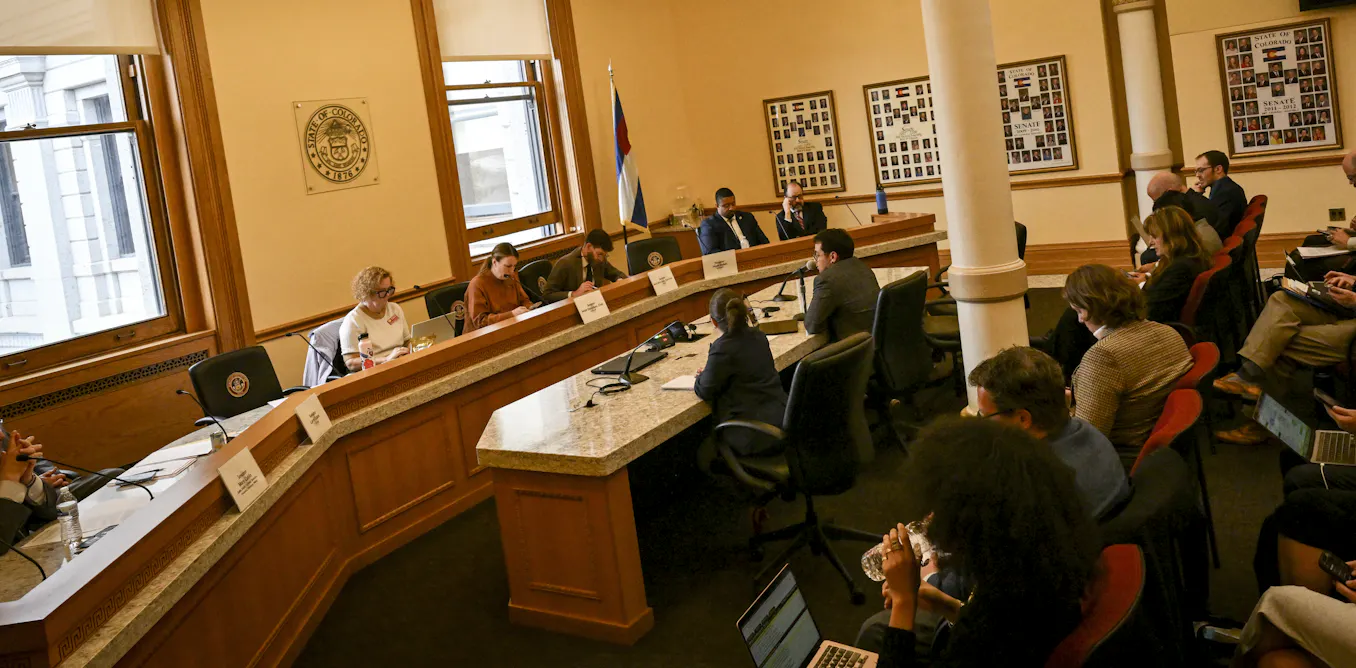
Colorado lawmakers shelved a strict AI discrimination law in favor of a weaker transparency requirement that still faces federal legal challenges.
The state initially passed legislation requiring AI systems to undergo bias audits before deployment in high-stakes decisions like hiring and lending. Civil rights advocates pushed for these protections after studies documented algorithmic discrimination against protected groups. The law represented one of the nation's most aggressive attempts to regulate AI at the state level.
However, the Colorado legislature voted to replace this mandate with a transparency rule. The new requirement forces companies to disclose when they use AI in consequential decisions but drops the pre-deployment audit provision. Businesses need only inform consumers and workers that algorithms influence outcomes. This represents a significant retreat from the original bill's enforcement mechanisms.
The weakened law still invites federal intervention. The Department of Justice has signaled it may challenge the transparency rule as an unconstitutional burden on interstate commerce. The federal government argues that inconsistent state AI regulations fragment the market and hinder innovation. Colorado's move may not satisfy DOJ concerns about state-level AI rules, even though the revised version is less stringent than the original.
Tech industry lobbying influenced the shift. Companies argued that mandatory bias audits increased compliance costs and exposed proprietary algorithms to scrutiny. They positioned transparency as an adequate middle ground between regulation and the status quo. Republicans and some business-friendly Democrats backed this argument.
The outcome reflects broader tension over AI governance. Civil rights groups worry that transparency alone fails to prevent algorithmic harm. Disclosure requirements don't stop discriminatory systems from operating. Meanwhile, tech companies and the federal government prefer uniform national standards over fragmented state rules.
Colorado's experience signals that even modest state AI regulations face legal and political obstacles. The battle over how to police algorithmic bias continues in legislatures and courtrooms nationwide.