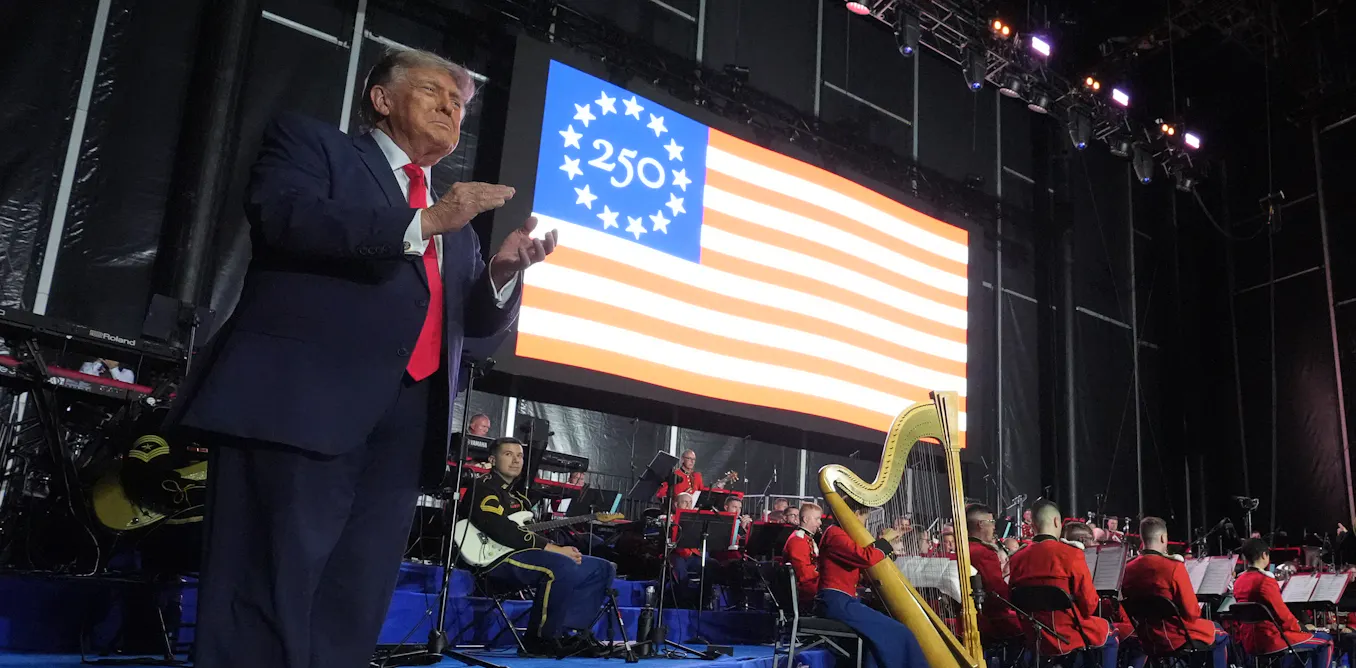
Lawmakers from both parties are turning the nation's 250th anniversary into a partisan battleground, even as polling data shows most Americans crave national unity over division.
The disagreement centers on how to frame the country's founding and history. Republicans have pushed narratives emphasizing American exceptionalism and traditional patriotism. Democrats have countered with messaging that acknowledges systemic inequities and calls for a reckoning with the nation's past. Each side uses the milestone year to advance competing visions of national identity.
Yet public sentiment tells a different story. Surveys reveal Americans overwhelmingly believe the nation shares more common ground than ideological fractures. Voters across the political spectrum express fatigue with partisan conflict and demonstrate appetite for leaders who emphasize shared values and collective purpose.
The disconnect between Capitol Hill rhetoric and voter preferences creates political risk for both parties. Republicans who lean exclusively into triumphalism alienate moderate voters seeking acknowledgment of historical wrongs. Democrats who emphasize only division and critique risk appearing unwilling to celebrate genuine national accomplishments.
The 250th anniversary presents an opportunity for genuine bipartisan commemoration. Previous milestone anniversaries have occasionally produced moments of cross-party cooperation. The Bicentennial in 1976, despite Cold War tensions, brought communities together around shared heritage and future aspirations.
Pollsters note that Americans want leaders who can hold multiple truths simultaneously. The country can acknowledge both its founding principles and its historical failures. It can celebrate democratic achievements while committing to unfinished work on equality and justice.
For lawmakers, the political calculation is clear. Constituents increasingly punish partisan excess. Leaders who seize the 250th anniversary to build bridges rather than entrench divisions may find electoral reward. The challenge lies in resisting partisan incentives and trusting that unity messaging resonates with voters tired of endless conflict.