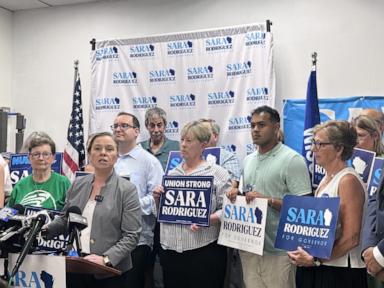
Wisconsin Democratic gubernatorial candidate Sara Rodriguez disclosed a significant cash crisis in her campaign after discovering she has hundreds of thousands of dollars less than previously believed. The shortfall became apparent when scheduled campaign advertisements failed to run last week due to unpaid vendor invoices.
The revelation raises questions about Rodriguez's campaign management and financial oversight heading into a critical election cycle. Her campaign had apparently miscalculated its available funds, creating a gap between projected and actual resources. This type of financial miscalculation can derail a candidate's media strategy at pivotal moments when advertising reach matters most for name recognition and message dissemination.
Rodriguez's situation reflects the operational challenges facing some Democratic campaigns in competitive races. Wisconsin's governor's race represents a crucial battleground in a purple state where Democrats seek to maintain control against Republican challengers. The Democratic Party invested resources in supporting viable candidates, making a well-funded campaign essential for electoral success.
The advertising blackout caused by unpaid bills suggests the campaign lacked adequate cash reserves to cover committed expenses. This forces Rodriguez to make difficult choices about spending priorities, potentially reallocating funds from planned media buys to cover outstanding debts. Such financial constraints limit her ability to compete effectively against opponents with more robust funding.
Campaign finance transparency, while important for voters assessing candidate viability, sometimes exposes embarrassing operational failures. Rodriguez's disclosure demonstrates the pressure candidates face to maintain campaign infrastructure while managing limited resources. Whether she can resolve the cash shortage and maintain campaign momentum remains uncertain as the race progresses toward election day.