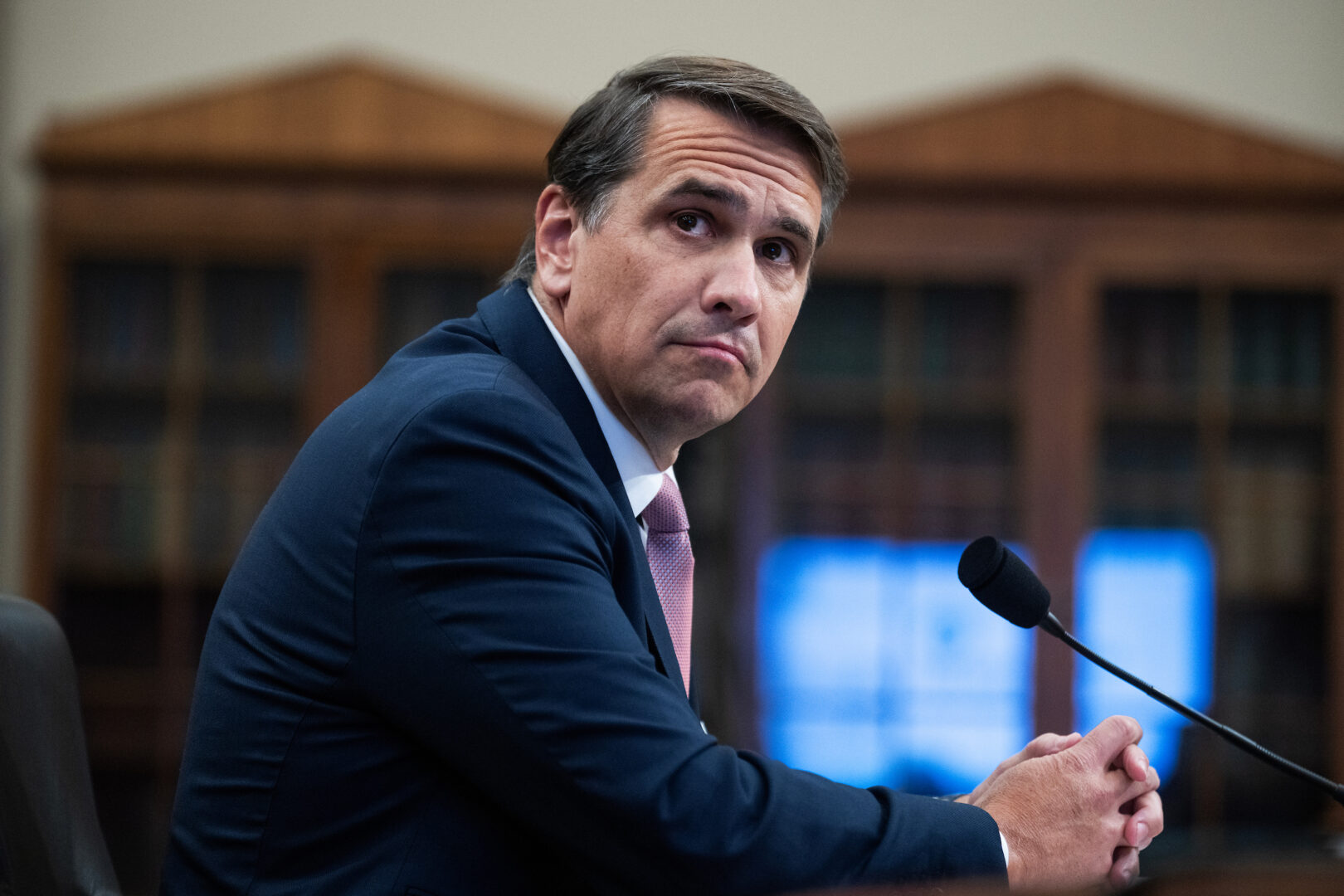
Todd Blanche, Trump's nominee for attorney general, confronts Senate scrutiny Wednesday as he seeks confirmation before the Judiciary Committee. Two Republicans on the panel remain undecided, making their votes pivotal in determining whether Blanche advances to the full Senate.
Blanche served as Trump's defense lawyer during his New York criminal trial and brings extensive courtroom experience to the nomination. His background in criminal law and Trump-world politics has already drawn concern from Democrats, who question whether he can independently lead the Justice Department without favoring the president personally.
The two-day hearing structure places Blanche on the hot seat first, with outside witnesses testifying on day two. Senate Democrats will likely press him on his ability to prosecute cases fairly, his prior work defending Trump against felony charges, and whether he commits to avoiding politicization of federal law enforcement. Republicans will likely defend his qualifications and attack Democratic criticism as partisan obstruction.
The undecided Republicans hold leverage. Collins of Maine and Murkowski of Alaska have previously broken ranks on Trump judicial nominees and cabinet picks. Their questions will probably focus on Blanche's independence, his relationship to Trump, and whether the Justice Department would become a tool for personal grievance rather than impartial law enforcement.
Trump selected Blanche after Kristen Noem withdrew as homeland security secretary and Tulsi Gabbard faced resistance for the intelligence director role. The attorney general position carries outsized power over federal investigations, prosecutions, and civil rights enforcement. The nomination tests whether Senate Republicans will demand reassurance about institutional independence or defer to Trump's personnel choices entirely.
Blanche's confirmation seems likely given Republican control of the Senate, but Wednesday's hearing will reveal how much Democratic and moderate Republican criticism resonates. His answers on prosecutorial independence and loyalty will shape perceptions of his tenure before he ever takes office.