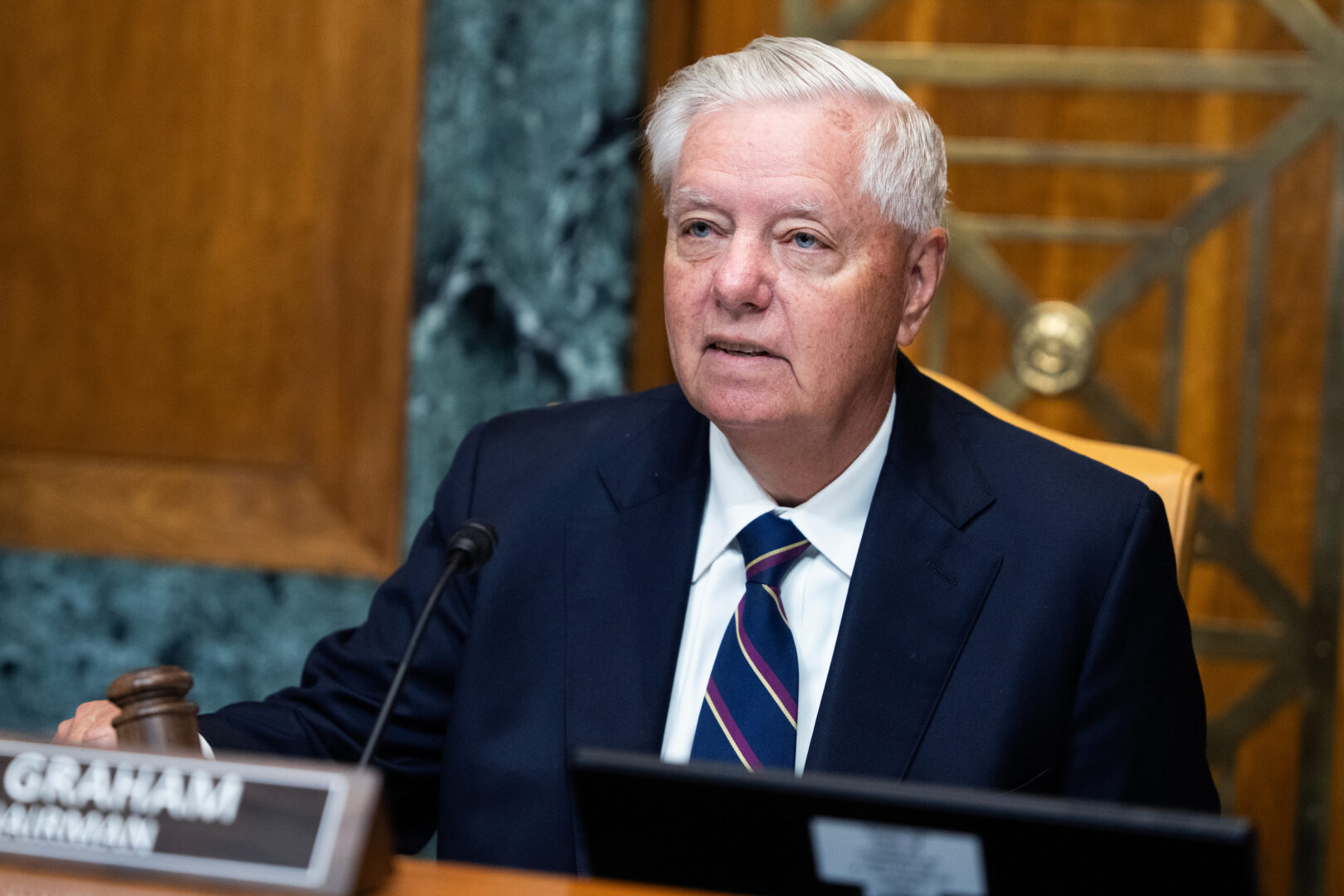
House Republicans are moving forward with plans for a third reconciliation package this week, even as Senator Lindsey Graham's death reshapes the Senate Budget Committee landscape.
Graham's passing creates an immediate vacancy on the influential Budget Committee, one of the key panels that oversees reconciliation legislation. Reconciliation bills allow the Senate to pass tax and spending measures with a simple majority, bypassing the 60-vote threshold normally required. This procedural tool has become central to Republican efforts to advance their fiscal agenda.
The push for "reconciliation 3.0" marks an aggressive legislative strategy by House Republicans, who control their chamber. A third package would follow previous reconciliation bills passed in this Congress. These packages typically contain tax cuts, spending reductions, or other fiscal priorities that align with the majority party's goals.
Graham's death, which deprives Republicans of a key voice on Budget Committee matters, comes at a critical moment. The South Carolina Republican was a senior member of the committee and wielded significant influence over reconciliation strategy. His vacancy means the committee must reorganize before proceeding with any new reconciliation bills.
The timing compounds existing challenges. Senate Republicans now must navigate potential leadership changes on the Budget Committee while managing the legislative calendar. The House push suggests Republican leadership wants to move quickly on their fiscal agenda, but Senate procedural requirements and the need to fill Graham's committee seat could slow momentum.
Reconciliation packages have become the primary vehicle for major Republican legislative initiatives, particularly given narrow margins in both chambers. A third package signals confidence from House Republicans about their ability to pass additional legislation, though Senate arithmetic and the death of a senior Republican legislator add complications.
The coming weeks will test whether House Republicans can maintain legislative momentum or whether the disruption from Graham's passing and committee restructuring forces delays to their reconciliation timeline.