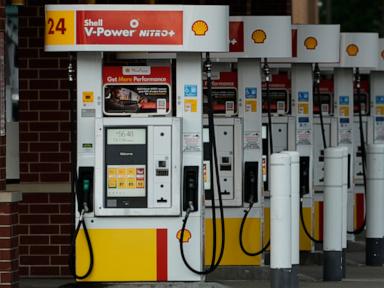
Falling gasoline prices probably reduced overall inflation last month, offering American consumers temporary relief from elevated price pressures. The decline reflects a broader cooling trend in energy costs that has helped ease inflation from its peaks earlier this year.
However, renewed military tensions with Iran threaten to reverse this progress. The escalation sent oil prices surging higher, which typically feeds through to pump prices within weeks. Crude oil serves as the primary input for gasoline refining, making energy markets sensitive to geopolitical shocks.
The inflation data carries implications for Federal Reserve policy decisions. Lower inflation readings reduce pressure on the central bank to maintain aggressive interest rate hikes, which have weighed on borrowing costs for mortgages, auto loans, and credit cards. The Fed targets 2 percent annual inflation and has raised rates substantially to combat price growth that peaked above 9 percent in 2022.
Consumer prices remain elevated compared to pre-pandemic levels despite recent moderation. Energy volatility adds uncertainty to economic forecasts heading into 2024. The administration faces competing pressures: celebrating inflation progress while confronting risks from Middle East instability.
Oil prices respond quickly to supply disruptions or conflict escalation. Any significant reduction in global oil supply from Iranian sanctions or retaliatory measures could push prices substantially higher. Sustained price spikes would likely flow into gas station prices, potentially reversing the inflation gains consumers have begun experiencing.
Economists will watch next month's inflation reports closely to assess whether the Iran situation produces lasting price effects. A resurgence in energy inflation could complicate the Fed's interest rate planning and extend consumer pain at the pump. The relative stability of inflation data in recent months has provided some optimism about returning to normal price growth, but geopolitical developments demonstrate how fragile that progress remains in commodity-dependent markets.