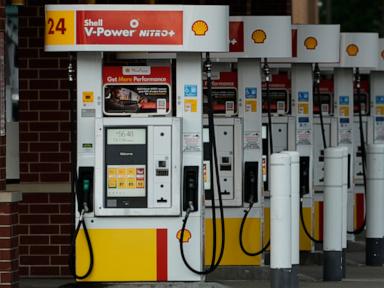
U.S. inflation slowed in recent weeks as gasoline prices dropped and consumers spent less on clothing and used vehicles. The decline offers temporary relief to households struggling with elevated prices, though economists warn the gains remain fragile.
Energy costs drove much of the improvement. Gasoline prices fell sharply, pulling down the broader inflation index. Used car prices also retreated from earlier peaks, while apparel costs declined as retailers cleared inventory.
The cooling inflation data comes at a critical moment for the Federal Reserve's monetary policy decisions. Lower price growth could justify holding interest rates steady rather than raising them further, potentially easing borrowing costs for consumers and businesses in coming months.
However, geopolitical tensions pose a serious threat to this progress. Escalating conflict in Iran could disrupt global oil supplies, reversing recent gas price declines and reigniting inflation pressures. Oil markets remain sensitive to Middle Eastern instability, and any major supply disruption would likely push energy costs higher across the economy.
The timing creates a dilemma for policymakers. The Fed has raised rates aggressively over the past year to combat inflation, but premature rate hikes risk slowing economic growth unnecessarily if inflation continues cooling naturally. Lower inflation readings support the case for pausing increases.
Consumers still face higher prices than two years ago, particularly in groceries, housing, and services. While the inflation trajectory has improved from pandemic-era peaks, underlying price pressures persist in stubborn categories like shelter costs.
The inflation data will influence President Biden's economic messaging as he prepares for reelection. His administration credits policy actions for cooling inflation, while critics argue supply-chain improvements and cooling demand deserve more credit than government intervention.
The next several weeks will test whether recent price improvements hold. If international tensions worsen and oil prices spike, inflation could reverse direction quickly, complicating the Fed's rate decisions and undermining consumer