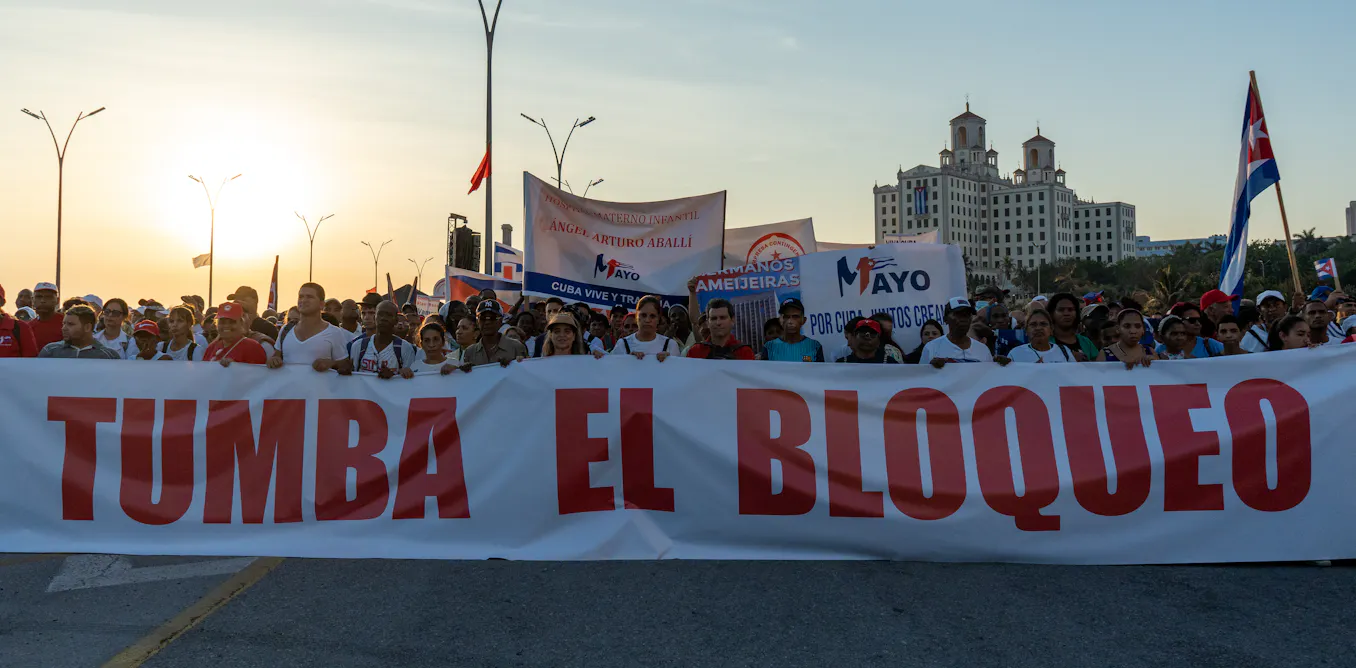
The political situation in Cuba enters a period of uncertainty as the Trump administration charts an unpredictable course on Caribbean policy. Cubans face economic hardship while waiting to see how Washington will approach the island nation under Republican leadership.
The Trump administration has signaled willingness to pursue aggressive foreign policy actions, but specifics remain unclear. Previous Trump administrations imposed economic sanctions on Cuba and reversed some Obama-era diplomatic initiatives. The current direction suggests potential military intervention or renewed isolation tactics, though no formal policy announcement has emerged.
Economic collapse in Cuba has driven migration surges and deepened poverty across the island. The regime under Miguel Díaz-Canel struggles with fuel shortages, inflation, and crumbling infrastructure. Some observers argue that military intervention could destabilize the region further without addressing underlying economic dysfunction.
The business community and foreign policy experts express concern about volatility. Military action carries substantial diplomatic costs, including potential alienation of Latin American allies and Caribbean neighbors. Sanctions-based approaches risk worsening humanitarian conditions for ordinary Cubans while failing to dislodge the government.
Capitol Hill Republicans remain divided on Cuba strategy. Some lawmakers favor hardline positions consistent with the Cuban-American community in Florida. Others advocate for pragmatic engagement that could ease tension and potentially facilitate economic cooperation.
The Biden administration had maintained Trump-era restrictions while exploring limited diplomatic channels. The shift to renewed uncertainty leaves Cubans, diaspora communities, and regional partners without clear guidance on what comes next.
Without concrete policy direction, both the Cuban government and ordinary citizens cannot plan effectively. International investors hesitate to commit resources. The humanitarian crisis deepens as ordinary Cubans endure shortages and economic decline. The Trump administration's track record on Cuba suggests potential for dramatic policy swings, but the specific path forward remains obscured by competing political interests and competing visions for American power in the hemisphere.