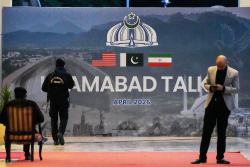
Pakistan's diplomatic efforts to mediate between the United States and Iran face steep obstacles as tensions escalate between the two nations. Islamabad has positioned itself as a potential broker for renewed negotiations, but regional analysts question whether Pakistan possesses sufficient leverage to influence either Washington or Tehran.
Pakistan's Foreign Ministry has consistently called for dialogue and de-escalation, emphasizing the dangers of military conflict in the region. The country shares borders with both Iran and Afghanistan, making regional stability a direct national interest. Pakistan previously hosted backchannel discussions between American and Iranian officials, though those talks produced limited results.
The latest round of US-Iran tensions reflects deepening hostilities over Iran's nuclear program, regional proxy activities, and American military presence in the Middle East. Pakistan's position as a non-aligned nation theoretically grants it credibility with both sides, yet its actual diplomatic tools remain limited.
Several factors constrain Pakistan's mediation capacity. The country faces its own economic pressures and relies on American military aid, reducing its independence in foreign policy. Iran views Pakistan with suspicion given Pakistan's close ties to Saudi Arabia, a major Iranian rival. Washington, meanwhile, prioritizes pressure campaigns against Iran over negotiated settlements under current administrations.
Pakistani officials argue that dialogue serves everyone's interests, particularly smaller nations vulnerable to regional conflict. However, structural misalignments make mediation difficult. The United States seeks fundamental changes to Iran's nuclear and military activities. Iran demands sanctions relief and recognition of its regional role. Pakistan lacks the bargaining power to bridge these positions.
Previous mediation attempts by other nations, including Oman and Iraq, achieved limited success. Pakistan's additional complications include domestic political instability and military tensions with India, which constrain Islamabad's diplomatic bandwidth.
Analysts suggest Pakistan may continue diplomatic overtures while acknowledging realistic constraints. Without significant shifts in either American or Iranian positioning, Pakistan's mediation efforts will likely remain