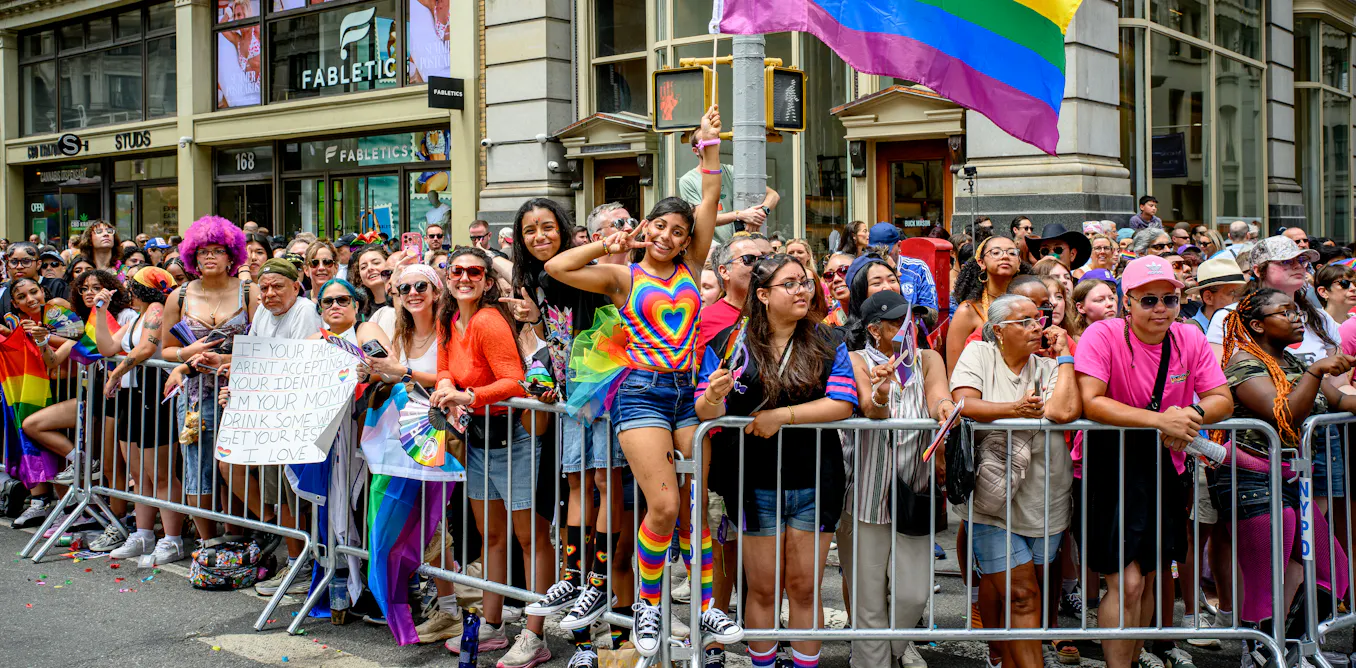
Young women increasingly identify with non-heterosexual orientations while young men maintain more traditional sexual identities, revealing a sharp gender divide in how Americans approach sexuality and gender expression.
Data shows women aged 18 to 24 report lower rates of exclusive heterosexuality compared to previous generations. More young women describe themselves as bisexual, asexual, or simply non-exclusively attracted to women. Young men in the same age group, by contrast, show minimal shifts from traditional heterosexual identification.
Researchers attribute this disparity to different social pressures and cultural expectations. Young women face fewer penalties for exploring fluid sexual identities. Romantic or physical attraction between women carries less stigma in contemporary culture. Young men, conversely, operate under stricter masculinity norms that discourage any deviation from exclusive heterosexuality.
The distinction reflects deeper gender dynamics. Heterosexuality itself functions differently for men and women. For men, heterosexuality remains bound to traditional masculinity, which restricts expressions of attraction or intimacy with other men. A man identifying as anything other than exclusively heterosexual risks social judgment and questions about his masculinity.
For women, the cultural landscape permits greater flexibility. Female same-sex attraction enjoys mainstream visibility through entertainment and media representation. Bisexual women face less severe social consequences than bisexual men. The concept of female sexuality itself remains less rigidly defined by heterosexuality alone.
This gap carries implications for identity development and social acceptance. Young women benefit from expanding definitions of acceptable female sexuality. Young men remain constrained by older frameworks that equate masculinity with exclusive heterosexual attraction to women.
The divergence suggests that sexual identity operates within gendered systems of power and expectation. Loosening restrictions on women's sexuality does not automatically extend freedom to men. Traditional masculinity continues to function as a limiting force for men exploring non-heterosexual identities or