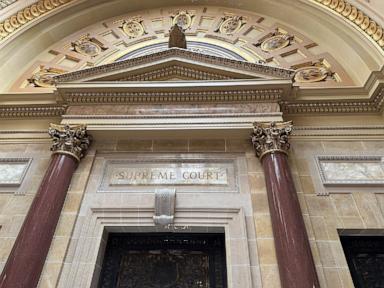
The Wisconsin Supreme Court rejected a request from a conservative activist to access guardianship records as part of an effort to identify ineligible voters in the swing state. The court declined to release the records sought through what appears to be a voter verification effort.
The activist's attempt reflects ongoing Republican scrutiny of voter eligibility in Wisconsin, a state that decided the 2020 presidential election. Conservative groups have pursued various legal avenues to challenge voter rolls and access records that might reveal people they believe should not be voting. Guardianship records could potentially identify individuals deemed legally incompetent to vote.
The court's refusal signals judicial resistance to demands for broad access to what are typically confidential records. Such records contain sensitive personal information about individuals under guardianship, raising privacy concerns that likely influenced the court's decision. Wisconsin courts have weighed these privacy interests against voter verification efforts in recent years.
This decision comes amid heightened national attention to election security measures and voter eligibility questions. Republican-led efforts to access voter records have faced mixed results in courts across the country. Some jurisdictions have cooperated with record requests, while others have blocked access citing privacy protections and due process concerns.
The Wisconsin Supreme Court's majority composition includes justices elected on both liberal and conservative tickets. The court's rejection suggests the justices found the activist's request either legally insufficient or problematic on privacy grounds. The decision does not prevent other parties or election officials from accessing guardianship information through proper legal channels for legitimate election administration purposes.
Wisconsin remains a closely watched state heading into future elections. Voter eligibility battles there typically draw national attention given the state's electoral importance. The court's action preserves existing privacy protections while avoiding any endorsement of the voter-hunting approach.