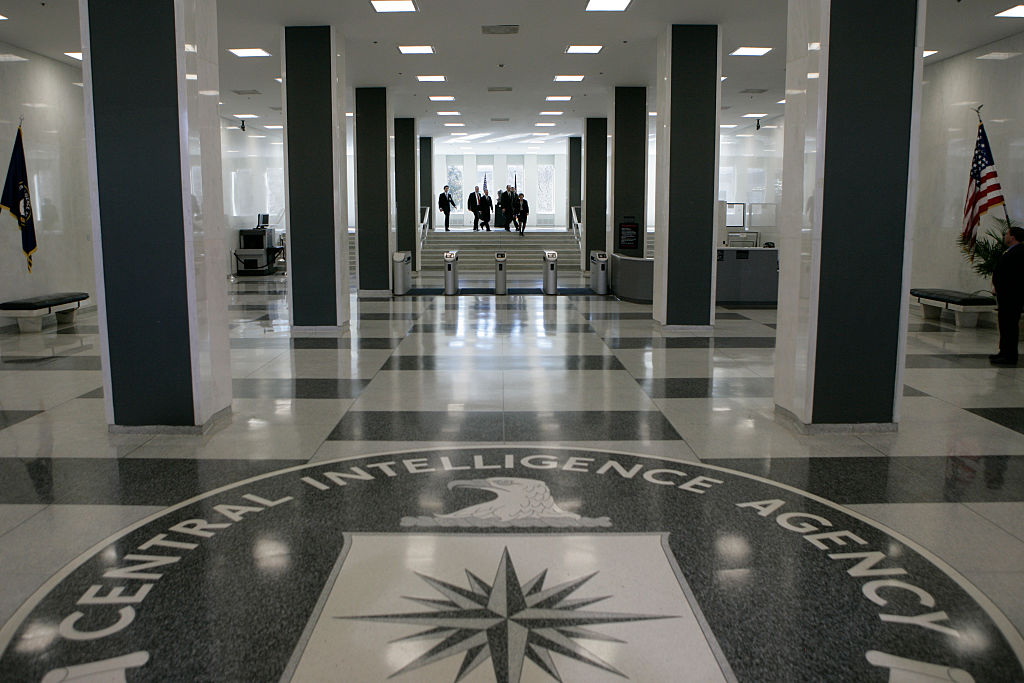
The Intercept published an opinion piece questioning the trustworthiness of former CIA officers seeking or holding elected office, citing the agency's training in deception and its historical role in suppressing leftist movements.
The article references two specific cases: Abigail Spanberger, a Democratic representative from Virginia who served as a CIA officer before entering Congress, and Elissa Slotkin, a Michigan Democrat with CIA background who has held elected positions. Both women have brought intelligence community experience into legislative roles.
The piece argues that CIA training fundamentally teaches operatives to conceal their true intentions and motivations, creating tension with the transparency expectations of democratic governance. This institutional culture of secrecy, the argument goes, conflicts with the open accountability required of elected officials.
The author also invokes the CIA's historical record, pointing to documented operations against left-wing movements and organizations domestically and internationally. This history, the piece suggests, should raise concerns about officers from that institution wielding electoral power while their past work remains shielded by classification and institutional silence.
The argument touches on a persistent debate in American politics about the revolving door between the intelligence community and Congress. Lawmakers with spy agency backgrounds bring operational expertise and security clearances that shape committee assignments and influence on intelligence oversight. Critics contend this creates conflicts of interest and insufficient checks on executive power. Supporters counter that intelligence experience improves congressional understanding of national security threats.
Spanberger and Slotkin represent a growing number of intelligence professionals entering electoral politics, particularly within the Democratic Party. Their presence in Congress reflects party recruitment strategies after 2016, when Democrats sought candidates with national security credentials to challenge Republican control.
The Intercept's framing reflects skepticism common on the political left about whether former intelligence officials can genuinely represent constituent interests rather than institutional security state priorities. This tension between their professional backgrounds and democratic governance remains unresolved in American