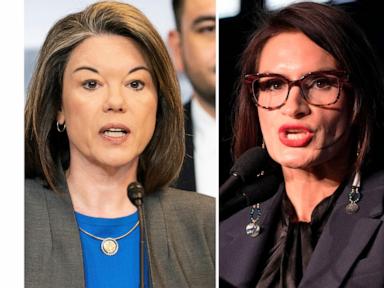
Democratic primary races across three pivotal Midwestern states this August will test whether the party's progressive wing continues to challenge establishment-backed candidates. Michigan, Wisconsin, and Minnesota voters will decide contests that reflect deeper tensions within the Democratic Party over its direction and responsiveness to grassroots frustration.
The races pit moderate Democrats tied to party leadership against progressive challengers energized by younger voters and activists demanding bolder positions on healthcare, climate change, and economic policy. These primaries carry outsized weight because the three states remain perennial battlegrounds in presidential elections. Victories for either faction shape narratives about Democratic momentum heading into the general election season.
In Michigan, progressive candidates are mounting challenges in congressional races where incumbents face questions about their responsiveness to constituent demands. Wisconsin primaries will test whether the state's moderate Democratic establishment can fend off challenges from candidates running to their left. Minnesota's contests feature similar dynamics, with progressive activists organizing against candidates they view as too aligned with traditional party power structures.
The outcomes signal whether Democratic voters remain frustrated with moderate leadership or whether the party has found equilibrium between its progressive and establishment wings. Moderate Democrats argue their candidates win general elections in swing districts and states. Progressives counter that energized bases and bold positions drive higher turnout and genuine change.
These races also reflect demographic shifts and ideological sorting within the Midwest. Younger voters and urban progressives increasingly dominate primary electorates, while moderate strength concentrates among older and suburban voters. How primary voters in these states resolve these tensions will reverberate nationally. National party figures have already begun weighing in on local races, signaling the stakes involved.
The August primaries offer an early August test of where Democratic primary voters stand after months of debate over the party's identity and electoral strategy. The results will clarify whether moderates retain control of party machinery or whether progressives have fundamentally shifted the Democratic Party's center of gravity