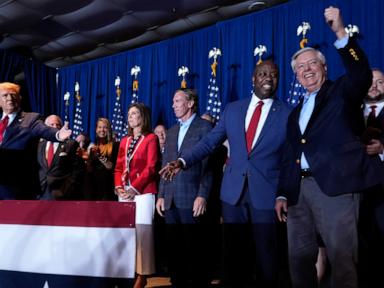
Lindsey Graham's death has triggered an immediate succession process in South Carolina that will reshape the state's political landscape. Governor Henry McMaster now controls the appointment of Graham's replacement to fill the Senate seat through the next election cycle.
McMaster faces pressure from multiple factions within the Republican Party. Conservative activists and Trump-aligned figures have nominated candidates they believe will carry Graham's mantle while adhering more strictly to the former president's agenda. Establishment Republicans, meanwhile, push for continuity with Graham's more moderate brand of Republicanism that dominated South Carolina politics for decades.
The appointment decision carries national implications. Graham served as a key Republican voice on defense spending, foreign policy, and judicial nominations. His replacement will inherit significant seniority on the Senate Judiciary Committee and Armed Services Committee, positions that Graham built over his 27-year Senate tenure. Whomever McMaster selects will occupy a platform with outsize influence on Republican strategy heading into the 2026 midterm elections.
A special election will be held to determine who serves the remainder of Graham's term. That race will likely become one of the most competitive Senate contests in the nation, drawing national Republican and Democratic funding. Democrats view the seat as potentially vulnerable given South Carolina's shifting demographics in urban areas like Charleston and the Midlands, though the state has voted Republican in statewide contests since 2004.
McMaster's appointment represents his most consequential decision as governor. The selected senator will campaign as an incumbent with the advantage of name recognition and media access. Republican primary candidates will immediately begin positioning themselves for a potential run, while Democrats prepare to mount a challenge they haven't seriously mounted in a Senate race for nearly two decades.
The political scramble reflects broader tensions within the Republican Party between Trump-aligned populists and traditional conservatives over the party's future direction.