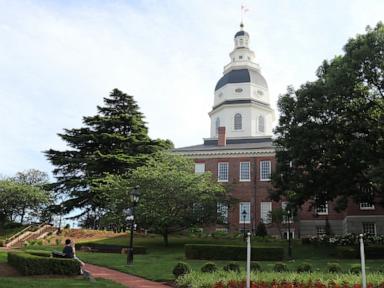
Maryland's legislature will convene in August for a special session focused on revising how the state draws congressional districts. The session centers on a constitutional amendment that would reshape the redistricting process going forward.
The move reflects ongoing tension over gerrymandering in Maryland, where Democrats have wielded mapmaking power to cement their advantage. The state's current congressional delegation leans heavily Democratic, partly due to district boundaries that pack Republican voters into concentrated areas or spread them thinly across multiple districts.
The proposed amendment would likely establish new rules governing future redistricting cycles, potentially removing or limiting the legislature's unilateral control over map-drawing. Details on the specific amendment structure remain limited, but such reforms typically create independent commissions, impose stricter criteria for compactness and competitiveness, or require bipartisan approval before maps take effect.
This action arrives as redistricting has become a flashpoint nationwide. Both parties aggressively gerrymander where they hold power. Republicans control mapmaking in states like Texas, Wisconsin, and North Carolina, while Democrats dominate in states including Maryland and Illinois. Courts have increasingly scrutinized extreme partisan gerrymandering, though the U.S. Supreme Court has limited federal intervention, leaving such reforms largely to states.
Maryland Democrats' decision to address redistricting during a special session suggests legislative willingness to confront the issue, though partisan interests typically complicate genuine reform. Whether the amendment meaningfully constrains future mapmaking or preserves Democratic advantage under a reformed veneer remains to be determined.
The August special session will signal whether Maryland intends substantive change or political theater. The amendment requires passage through the legislature and voter approval before taking effect, giving both lawmakers and constituents opportunity to shape Maryland's redistricting future.