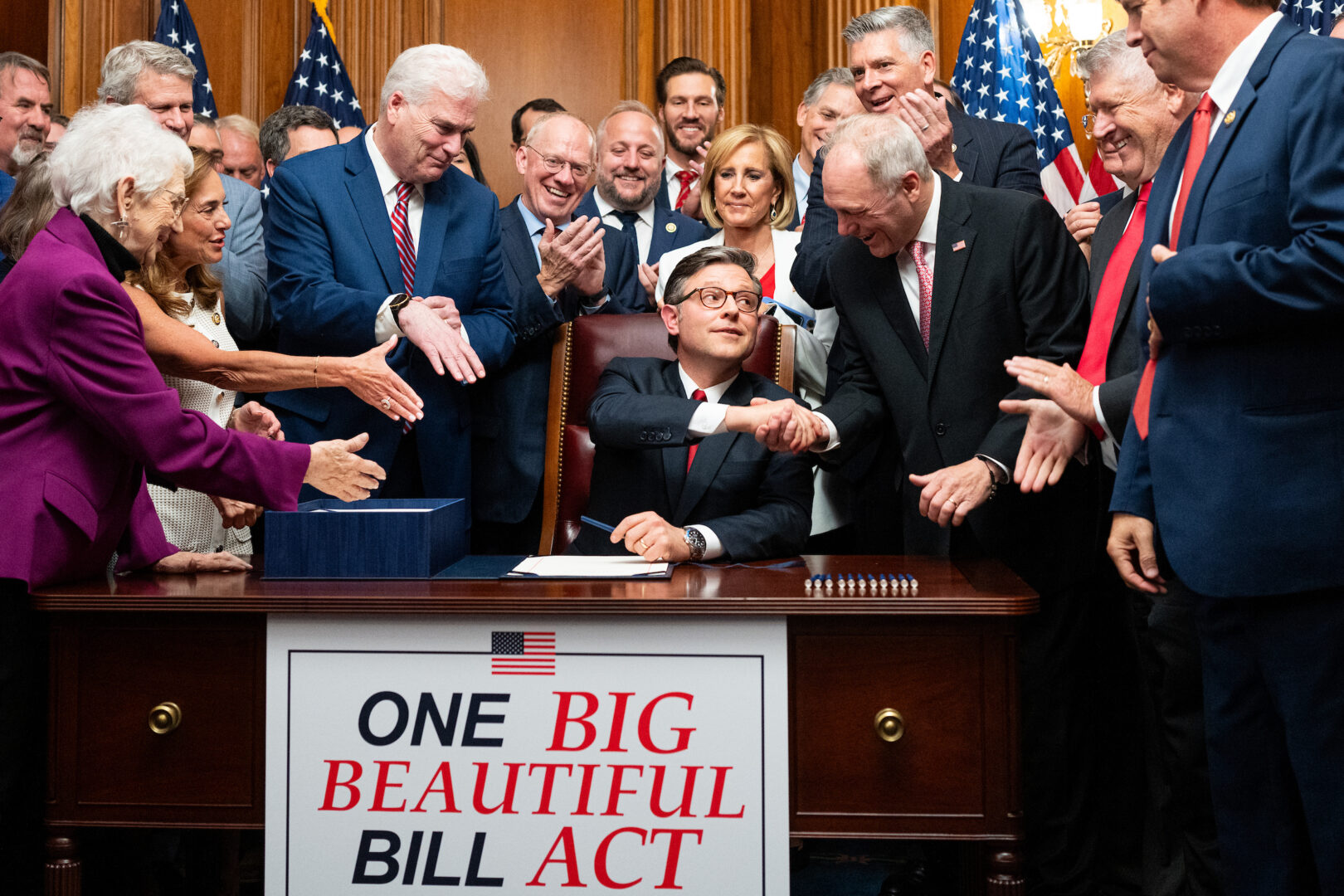
Rep. Mike Flood, a Nebraska Republican, faced constituent pushback when defending a sweeping legislative package at a town hall event. The congressman's attempt to tout what he called "one big beautiful bill" drew immediate boos from the audience in his reliably Republican district, suggesting internal GOP fractures over major legislation remain unresolved heading into an election year.
The incident reflects broader Republican Party tensions around comprehensive legislative proposals. Flood's awkward pause during the livestreamed event highlighted how divisive even routine legislative efforts have become within GOP ranks. The congressman appeared to be referencing either an omnibus spending measure or another major bill, though constituents' negative reaction indicated skepticism about bundled legislation approaches.
The timing proves significant. With elections approaching, House Republicans face voter expectations for tangible legislative results while managing internal disagreements over spending priorities, policy riders, and legislative strategy. Flood's stumble suggests the party has failed to build public confidence in its legislative agenda, despite controlling the chamber.
The booing reflects a broader conservative frustration with comprehensive bills that package multiple policies together, a tactic often labeled by critics as backroom dealing. Many constituents prefer transparent, single-issue legislation they can evaluate independently. This dynamic complicates leadership's efforts to pass necessary bills through Congress while satisfying both moderate and hardline conservative factions.
For Flood specifically, the moment underscores vulnerability even in safe Republican seats when members fail to articulate clear support for their party's legislative priorities. The congressman must now navigate the political tightrope of defending his legislative record without alienating base voters who view bundled bills as government overreach.
The incident also signals that Republicans cannot assume automatic constituent approval for legislation passed along party lines, requiring renewed messaging discipline and direct constituent engagement on legislative rationale.