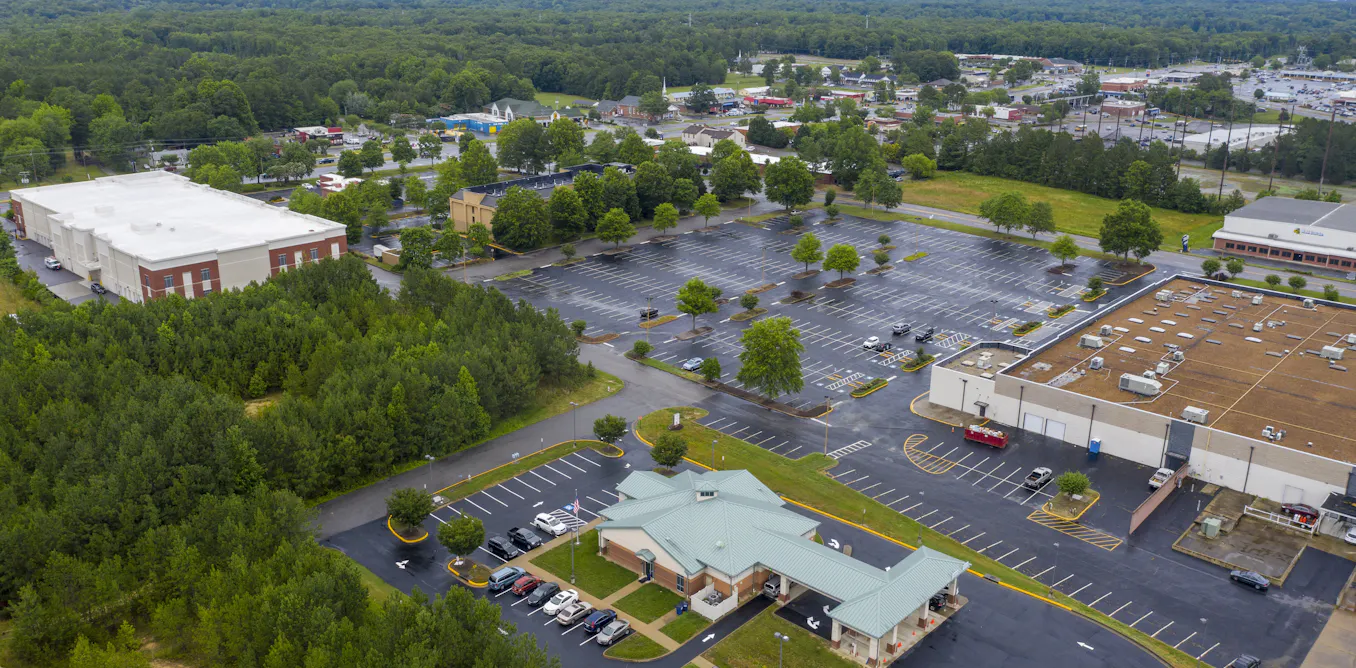
The Supreme Court has ruled that law enforcement cannot obtain cellphone location data without Fourth Amendment protections, marking a significant victory for digital privacy rights. The decision addresses geofencing warrants, which allow police to gather location information for all phones present in a specific geographic area during a particular time period, regardless of whether those devices belong to suspects or innocent bystanders.
The ruling establishes that such broad data collection constitutes a search under the Fourth Amendment, requiring law enforcement to demonstrate probable cause before obtaining warrants. Previously, police had exploited a legal gray area, using geofencing requests to cast wide nets that swept up location data from potentially hundreds or thousands of people.
This practice had grown common in criminal investigations. Officers could request all phone location data from a specific neighborhood during a robbery, for example, then cross-reference that data with suspects. The indiscriminate nature of geofencing created privacy concerns among civil liberties advocates, who argued the practice violated Americans' reasonable expectations of privacy.
The Court's decision reflects evolving jurisprudence around digital privacy. As Americans increasingly carry smartphones that constantly transmit location information to cellular networks and technology companies, courts have grappled with how traditional Fourth Amendment protections apply to digital data. Earlier cases, including Riley v. California, established that smartphones warrant heightened privacy protection.
The geofencing ruling creates practical implications for law enforcement nationwide. Agencies must now treat location data requests like traditional warrants, requiring specific justification rather than blanket searches. This narrows investigative tools available to police while protecting ordinary citizens from warrantless surveillance.
Technology companies, which often hold this location data, may now face fewer requests from law enforcement seeking broad geographic sweeps. The decision reflects growing recognition that digital data deserves Fourth Amendment protection comparable to physical spaces and personal effects.