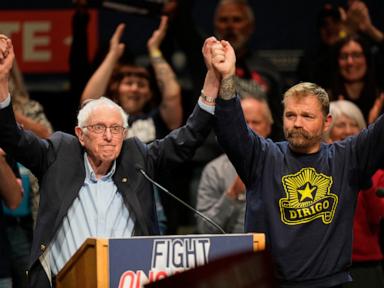
Graham Platner remains the Democratic nominee for Maine's U.S. Senate seat despite mounting pressure for him to withdraw after a sexual assault allegation surfaced. The succession fight has begun within Maine Democratic circles as party officials grapple with whether to support the embattled candidate or push for his exit from the race.
Platner has not stepped aside despite the calls for his resignation. The allegation creates a dilemma for Democrats in a state where control of Senate seats carries national implications. Party leaders face pressure from both sides. Some demand Platner leave the race to protect the party's credibility on sexual misconduct. Others worry that forcing out the nominee could alienate primary voters who selected him.
The timing complicates Democratic strategy. The race against the Republican incumbent involves significant resources and messaging. A replacement nominee would require the party to redirect its campaign apparatus mid-cycle. Maine Democrats must weigh the political cost of association with Platner against the logistical challenges of swapping candidates.
Within Democratic ranks, discussion about potential successors has already started. Operatives discuss scenarios involving other party members who could carry the nomination if Platner withdraws. The jockeying reflects the broader principle at stake. Democrats built much of their 2024 messaging around accountability and character. A nominee facing assault allegations contradicts that message directly.
National Democratic figures have largely remained silent on the Maine race specifically, though the broader Me Too movement continues to influence how parties handle sexual misconduct allegations. The silence may itself send a message. National Committee officials cannot easily intervene in state races without appearing to override voter choices.
Platner's decision to stay in the race tests whether Democratic principles on sexual assault allegations will apply uniformly or bend under electoral pressure. His refusal to resign forces Maine Democrats into a choice. They can support their nominee and risk reputational damage, or pressure him out and face accusations of underm