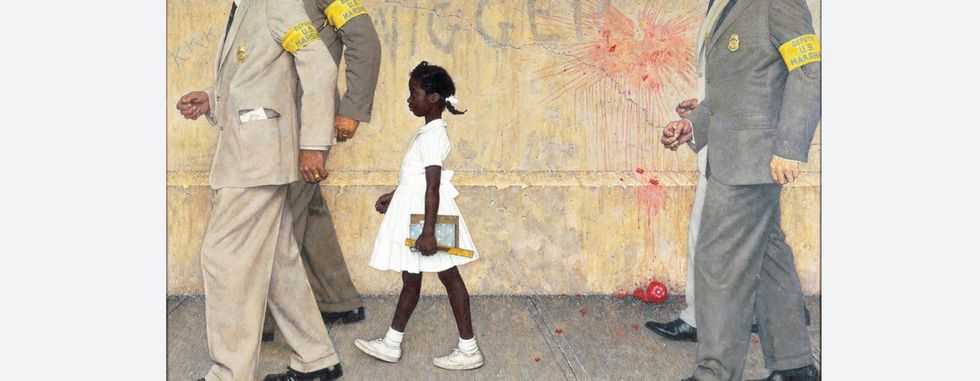
Donald Trump remained silent when 400 masked neo-Nazis demonstrated in Washington, D.C., yet publicly attacked kindergarteners in Minnesota who wore hijabs at their graduation ceremony. Trump's social media posts about the Muslim students prompted his followers to demand deportations, illustrating the sharp contrast between his response to far-right extremism and his aggressive targeting of religious minorities.
The incident marks a troubling pattern as the nation approaches its 250th anniversary. Trump's approach to extremism reveals a selective tolerance. White supremacist activity generates no condemnation from the former president, while religious expression by children becomes fodder for inflammatory rhetoric designed to energize his political base.
The Minnesota kindergarten controversy demonstrates how Trump weaponizes everyday moments of cultural diversity. Five-year-olds observing their faith became targets for deportation rhetoric, showing how his messaging trickles down to his supporters. The "MAGA" movement responds with lockstep fervor to such incitement.
This contrast exposes fundamental questions about whose country America represents. The nation was founded on ideals of religious freedom and equal protection, yet political leadership amplifies hatred toward immigrants and religious minorities while ignoring organized white supremacist activity. The silence on the Nazi march in D.C. signals tacit acceptance of far-right extremism, while the hijab attack reveals a strategy to weaponize parental anxiety about cultural change.
Trump's behavior reflects a calculation that amplifying cultural grievances energizes his base more effectively than addressing actual threats from organized hate groups. By targeting vulnerable populations like Muslim children and their families, he activates fear-based politics while maintaining plausible deniability about white nationalist activity.
The disparity between these responses reveals which threats Trump prioritizes and which he ignores. His selective outrage shapes which Americans feel genuinely protected and which face marginalization. As the country marks its founding ideals, this