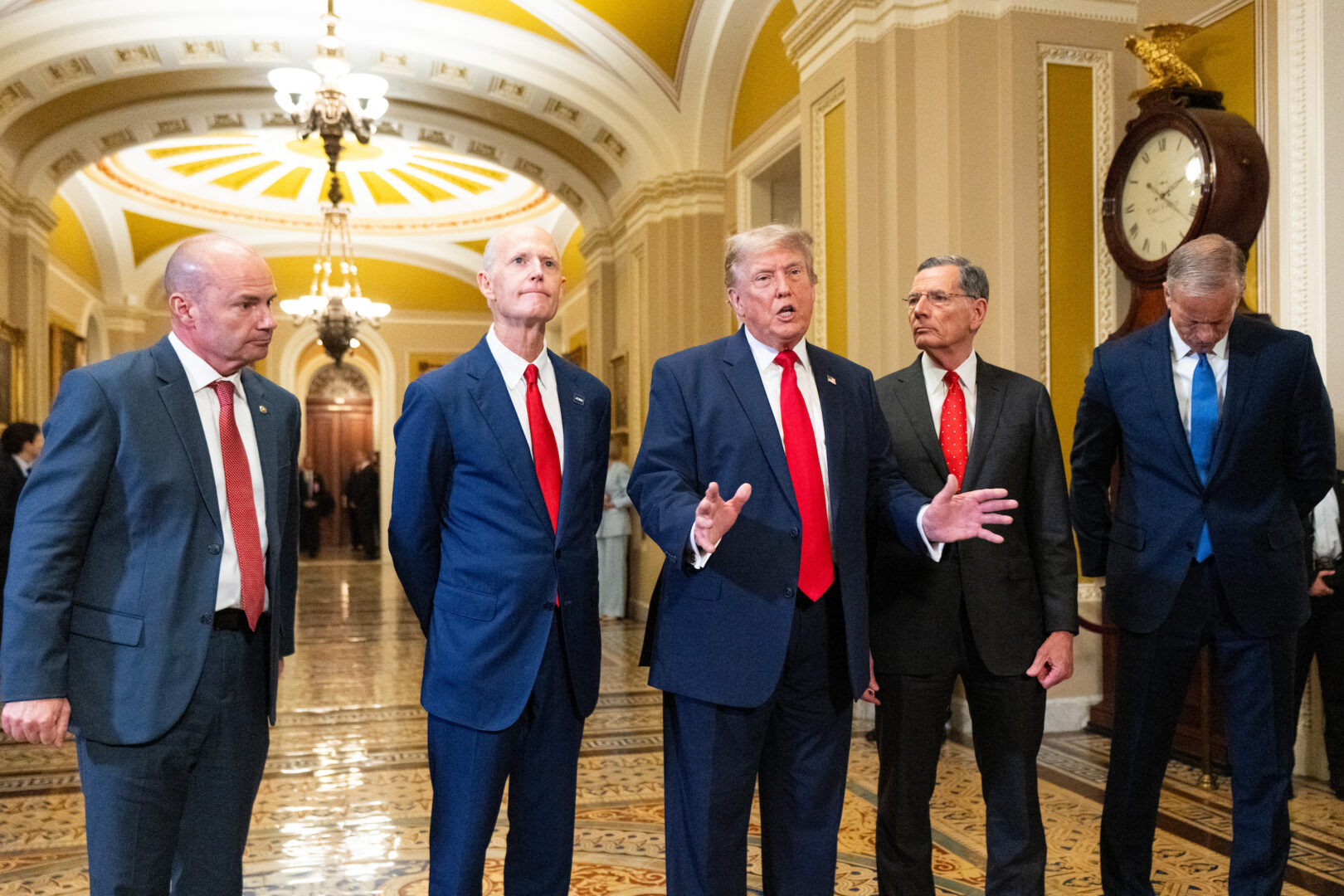
President Donald Trump rejected a major bipartisan housing bill on Friday, ending speculation he might sign the legislation into law. Congress passed the measure with overwhelming support from both parties, designed to expand housing supply and reduce costs. The bill faces a midnight deadline, after which Trump's veto would block it from becoming law.
Trump's rejection marks a rare moment when the president broke with bipartisan consensus on a substantive policy issue. The housing legislation represented one of Congress's few achievements with strong Republican and Democratic backing. By refusing to sign, Trump demonstrated his willingness to prioritize his political agenda over bipartisan compromise, even on issues with broad support.
The bill addresses one of America's most pressing economic problems. Housing affordability has driven inflation and limited economic mobility across income levels. Lawmakers from both parties recognized the urgency and crafted legislation intended to remove regulatory barriers to new construction, streamline permitting processes, and increase the housing stock.
Trump's veto reflects deeper ideological divisions within the Republican Party. Conservative members have raised concerns about federal housing programs, preferring state and local control. Trump's opposition aligns with this wing of the party, despite the broader bipartisan nature of the bill.
The veto carries political risks for Democrats heading into the election cycle. They supported legislation designed to help working families afford homes. Trump's rejection allows Republicans to frame Democrats as ineffective, while simultaneously opposing a solution to a problem voters care deeply about.
For Republicans supporting the bill, the veto creates a difficult position. They backed housing legislation believing it addressed constituent concerns. Now they must decide whether to override Trump's veto or accept his decision, testing party loyalty against legislative accomplishment.
The housing crisis remains unresolved. Without this bipartisan framework, Congress faces months of gridlock on a issue that affects millions of American families struggling with rent and mortgage costs. Trump's action returns the issue to a partisan battlefield rather than