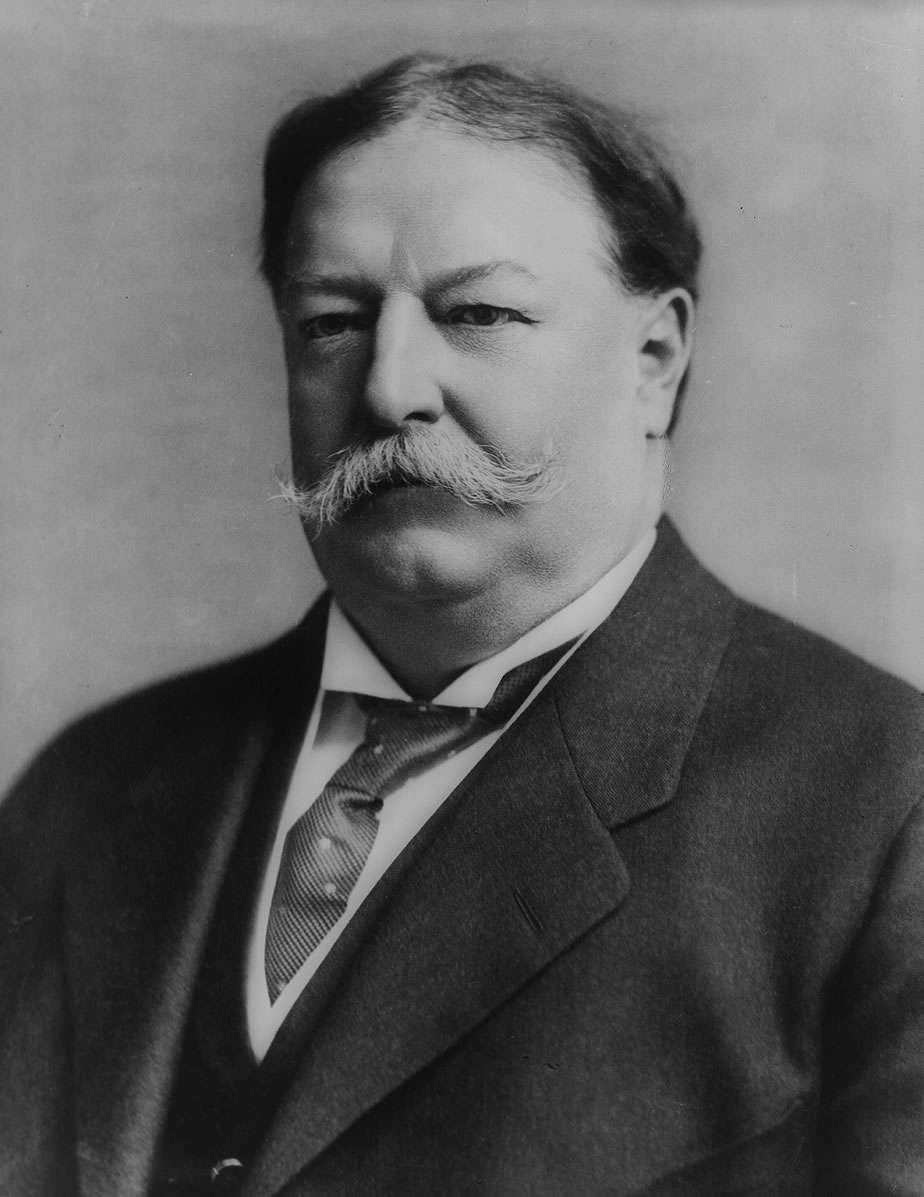
William Howard Taft took the oath as Chief Justice of the United States on July 11, 1921, beginning one of the most productive tenures in Supreme Court history.
Taft, the former president who had served from 1909 to 1913, secured the chief justiceship under President Warren G. Harding. The appointment marked a remarkable political trajectory. After losing reelection in 1912 to a split Republican ticket, Taft moved into private practice and academia before returning to the bench in a role many consider his true calling.
As Chief Justice, Taft wielded enormous influence over the Court's operations and agenda. He served until his death in 1930, authoring 253 opinions during his tenure. Taft proved instrumental in securing funding for a new Supreme Court building, establishing the institution's physical independence from Congress. He also modernized Court procedures and shaped the judiciary's institutional development during a period of economic expansion and social change.
Taft's chief justiceship reflected his deep commitment to conservative jurisprudence and executive power. He opposed labor organizing efforts and supported property rights interpretations that favored business interests. His Court upheld restrictive immigration policies and state regulations, often deferring to legislative bodies.
The appointment itself carried political weight. Harding, seeking Republican reconciliation after the party's 1912 rupture between Taft and Theodore Roosevelt, signaled respect for the former president by elevating him to the nation's highest judicial position. For Taft, the role provided vindication. He had felt his presidency unfairly maligned, and the chief justiceship offered a platform to influence American law and governance from the bench rather than the executive branch.
Taft's nine years as Chief Justice demonstrated that former presidents could shape national affairs through judicial power. His administrative innovations and conservative jurisprudence left lasting marks