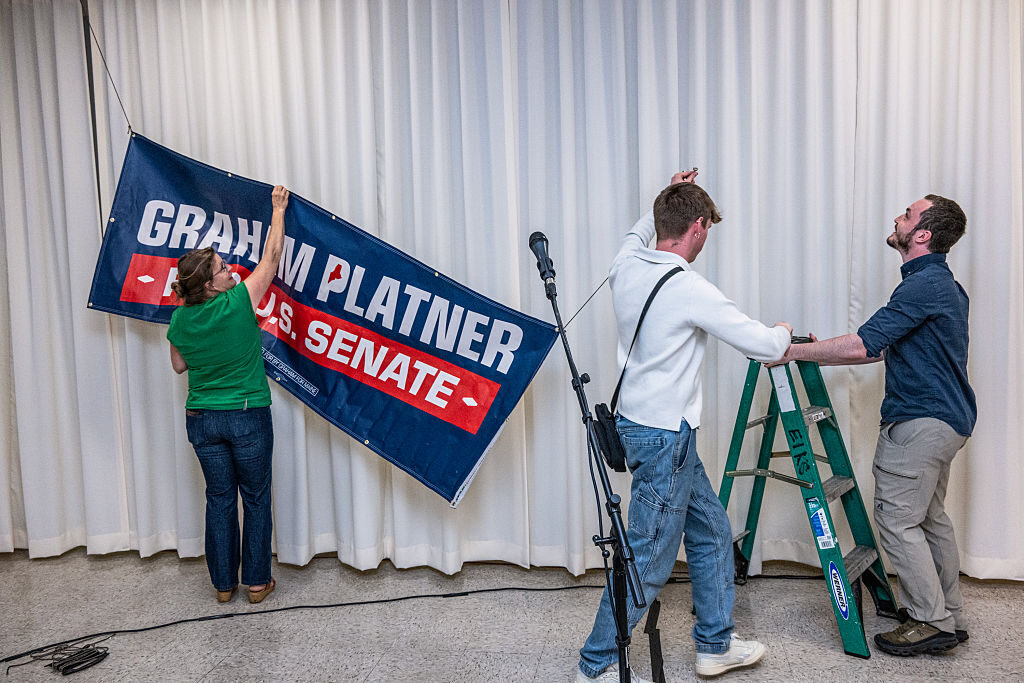
Maine Democrats are moving quickly to find a replacement for Graham Platner after his Friday withdrawal from the Senate race. The party has announced a formal process to select a new nominee, sparking immediate candidate recruitment efforts ahead of what will be a compressed campaign timeline.
Platner's exit creates urgency for Democrats seeking to challenge the Republican incumbent in a competitive seat. Multiple candidates are already assembling campaign infrastructure as Democrats work to field a strong general election contender before the formal selection process concludes.
The abbreviated window for campaigning means candidates must rapidly build name recognition, fundraising operations, and ground organizations. Maine Democrats face pressure to unify behind a nominee who can mount a credible challenge and capitalize on fundraising momentum while voter attention shifts to the race.
The specific process Democrats will use to select Platner's replacement remains a central question. Party officials must decide whether to hold a convention, primary election, or use another selection method. The timeline for that decision affects how quickly candidates can campaign and when the new nominee will officially take the ballot.
Republicans will watch the Democratic transition closely. The vacancy creates both opportunity and risk for the GOP incumbent, who may benefit from Democratic disarray or face a fresher Democratic challenger without baggage from a longer primary battle.
Several Democrats have reportedly expressed interest in entering the race. The party's establishment will play a significant role in shaping the field through endorsements and resource allocation. Early moves by party leadership to coalesce around preferred candidates could substantially narrow the competitive field before formal voting occurs.
Maine's Senate race ranks among competitive contests nationally. Democrats see the seat as a pickup opportunity, while Republicans view defending it as essential to maintaining their Senate majority. The sudden change in the Democratic nominee adds unpredictability to a race both parties consider winnable and strategically consequential for control of the chamber.