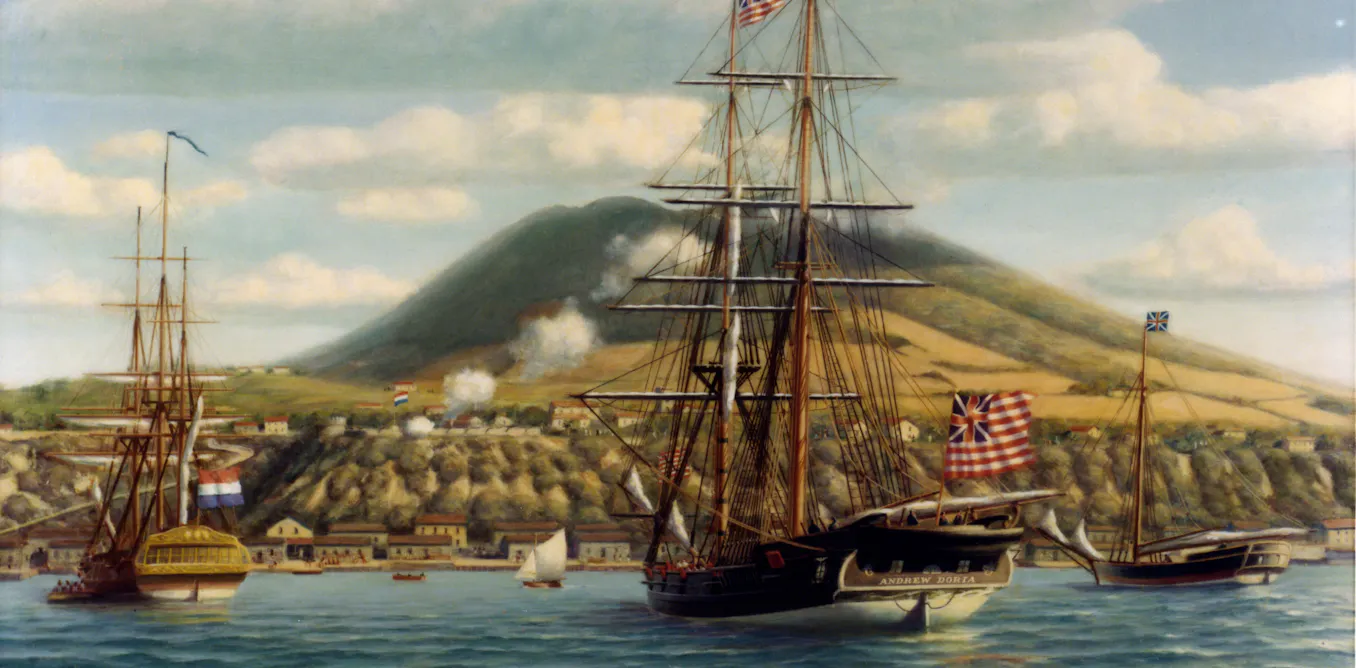
# How a Tiny Caribbean Island Made American Independence Possible
A small Caribbean port played an outsized role in securing American independence through its control of critical trade networks during the Revolution.
The island functioned as a vital supply hub for the Continental Army and Navy. American vessels smuggled weapons, ammunition, food, and gunpowder through its ports, circumventing British naval blockades that sought to starve the rebellion of resources. Without access to these supplies, the Revolutionary forces would have faced logistical collapse within months.
The strategic importance stemmed from the island's position as a neutral trading zone. While Britain maintained military dominance across the Atlantic, this Caribbean port remained outside direct British control during crucial phases of the conflict. Merchants there, motivated by profit rather than ideology, readily traded with American privateers and merchant ships. The French also utilized these networks to funnel supplies to their American allies without direct confrontation with British forces.
The island's economy depended entirely on commerce. Local traders understood that supporting American independence served their commercial interests. They provided not only material supplies but also intelligence about British naval movements and merchant convoys. This information proved invaluable for American commanders planning military operations and supply runs.
Historians have long emphasized the role of France's military support and Benjamin Franklin's diplomatic efforts in securing independence. Less known is how this Caribbean trading hub sustained the Continental Army through its most desperate years. The island's merchants took enormous risks, betting their fortunes on American victory. Had Britain successfully blockaded or captured the port, the financial strain on the Revolutionary cause would have proven catastrophic.
The story reveals how American independence emerged from a complex web of economic relationships and strategic geography. It was not won solely through battlefield victories or inspirational rhetoric. Trade networks, merchant capital, and geographic advantage shaped the conflict's outcome as profoundly as muskets and idealism.