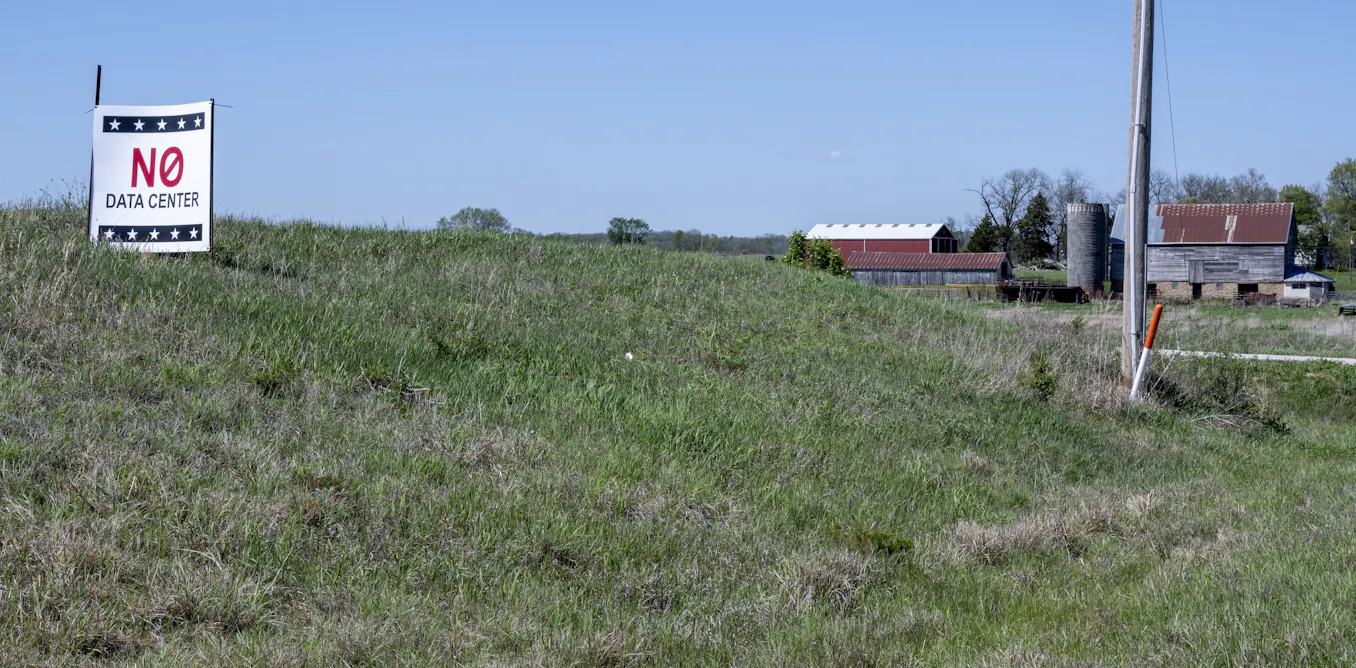
Data center construction battles across America expose a fundamental conflict between economic growth, environmental protection, and community self-governance. These projects pit corporate investment and job creation against local resistance rooted in climate concerns, property rights, and democratic accountability.
Communities opposing data centers cite legitimate environmental costs. These facilities consume enormous quantities of water and electricity, straining local resources and increasing carbon emissions. Virginia, home to vast server farms in Northern Virginia, has faced repeated clashes between tech industry expansion and rural residents worried about water depletion and grid overload. Some towns have blocked projects outright, asserting their right to determine local development.
Proponents argue data centers drive economic growth and technological progress that benefits society broadly. The tech industry counters that opposition threatens America's competitiveness against China and slows the digital infrastructure essential for AI, cloud computing, and national security. Companies emphasize job creation and tax revenue flowing to struggling communities.
The deeper issue reflects competing visions of capitalism and democracy. Local opponents assert that communities possess the right to refuse projects affecting their environment and quality of life. They invoke democratic principles: residents should decide their region's future through town halls and planning boards.
Companies argue that restricting investment based on local preferences undermines capitalist efficiency and innovation. From this perspective, NIMBYism (Not In My Back Yard) prioritizes individual comfort over collective technological advancement and economic opportunity.
State and federal governments often side with data centers, using permitting authority to override local objections. This creates tension between grassroots democracy and top-down development policy. When governors approve projects communities reject, it raises questions about whether local populations retain genuine control over their futures.
These disputes reveal that economic development operates on competing moral frameworks. Supporters of data centers invoke societal benefit and national competitiveness. Opponents invoke stewardship, sustainability, and democratic participation. Neither side operates purely from selfish motives. Both claim to