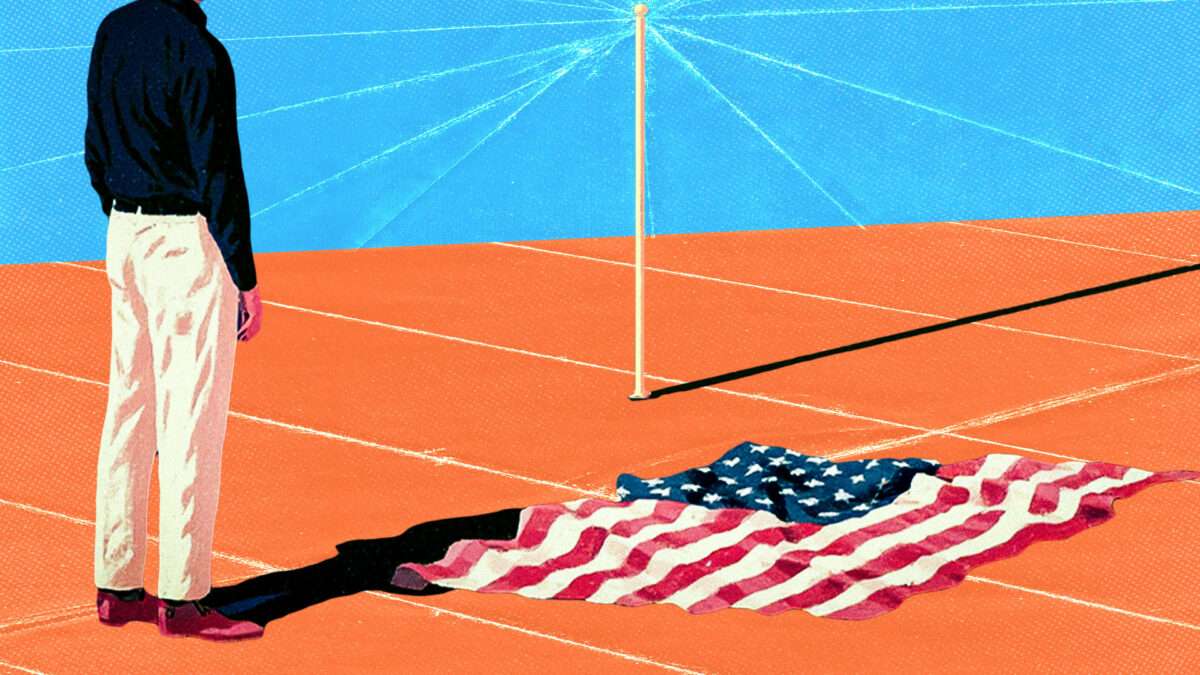
Political independents now represent the largest voting bloc in America, yet they express lower patriotism levels than Republicans and Democrats, according to recent polling data. The apparent paradox reflects a fundamental shift in how unaffiliated voters relate to American institutions.
Independents have abandoned traditional party structures because they distrust federal government institutions. This same institutional skepticism shapes how they express patriotism. While Republicans and Democrats often frame patriotism through national pride and government legitimacy, independents define it differently. They view the federal system as broken, ineffective, or unresponsive to ordinary citizens.
The growth of independent voters accelerated during periods of bipartisan gridlock and perceived government failure. The 2008 financial crisis, partisan polarization, and repeated legislative stalemates pushed millions away from party affiliation. These voters sought alternatives outside the two-party structure. Their departure created the largest independent cohort in modern American history.
This bloc now faces a measurement problem. Traditional patriotism surveys often emphasize national symbols, military support, and governmental pride. Independents score lower on these metrics not because they lack love of country, but because they distinguish between the nation and its governing apparatus. They may deeply value American ideals while rejecting current political institutions.
The relationship reflects a chicken-and-egg question. Did distrust of government drive voters toward independence, or did independence foster greater skepticism of institutions? Evidence suggests both directions operate simultaneously. Voters who felt alienated by partisan politics sought independence, then their independent status reinforced their critical view of federal structures.
This dynamic carries governance implications. Independents represent swing voters in competitive elections, yet they express less confidence in political institutions than partisan voters do. Politicians struggle to mobilize them through traditional patriotic appeals. Appeals to national greatness, military strength, or constitutional reverence resonate less with voters who question whether current institutions serve the nation effectively.
The