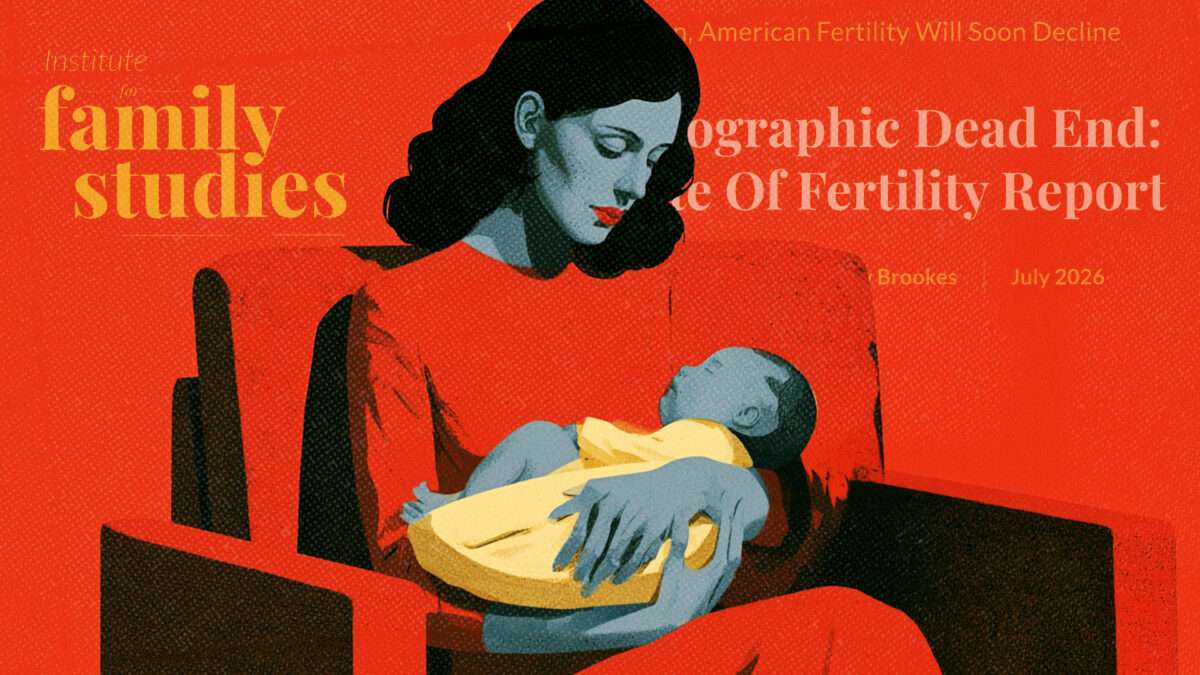
A conservative think tank pushing demographic expansion has proposed a sweeping agenda to reverse America's declining birth rate, including social policies that would restrict abortion access and leverage social media influencers to normalize larger families.
The Institute for Family Studies, a right-leaning organization, unveiled proposals ranging from traditional tax incentives for families to more contentious measures. The group advocates reinstating restrictions on abortion access, expanding child tax credits, and subsidizing childcare. These align with longstanding conservative priorities tied to natalist ideology.
But the institute's strategy extends into cultural territory. It proposes enlisting fertility influencers on social platforms to glamorize parenthood and larger family sizes, framing demographics as a national priority. This reflects a broader movement among conservatives who view falling birth rates as an existential threat to American society and cultural continuity.
The agenda also includes what critics call "blue laws" restricting commerce and leisure activities on certain days, ostensibly to preserve family time and encourage procreation. Proponents argue such measures would reshape daily life around family formation.
The proposals reveal ideological fractures within conservatism. Libertarian-leaning outlets like Reason, which reported on the institute's work, expressed skepticism toward government-orchestrated social engineering and cultural manipulation through influencer campaigns.
Demographic decline presents a genuine policy challenge. America's fertility rate has fallen below replacement level, straining entitlement programs and labor markets. Both progressives and conservatives acknowledge the problem but diverge sharply on solutions.
The Institute for Family Studies frames natalism as apolitical necessity. Critics counter that elevating birth rates through government coercion or cultural pressure raises ethical concerns about reproductive autonomy and women's choices.
The timing matters. As abortion restrictions expand following the Supreme Court's 2022 Dobbs decision, pronatalist groups sense momentum to reshape family policy holistically. Whether policymakers embrace