# Summary
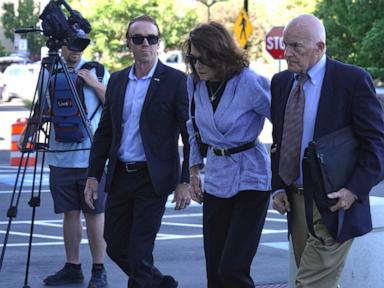
Defense attorneys for the suspect charged in the killing of conservative activist Charlie Kirk are mounting a challenge to the prosecution's evidence as their case enters its final stages. The legal team plans to call a final witness on Friday as part of their strategy to undermine the reliability of the state's case against their client.
The defense has focused on questioning the credibility and chain of custody of key evidence presented by prosecutors. By introducing doubt about how evidence was collected, handled, or tested, the defense aims to create reasonable doubt in the minds of jurors. This approach is standard in homicide cases where physical evidence plays a central role.
Charlie Kirk, the conservative commentator and founder of Turning Point USA, became the subject of a high-profile criminal investigation following his death. The case has attracted attention from across the political spectrum given Kirk's prominent role in conservative politics and activism.
The defense strategy of challenging evidence reliability reflects the fundamental adversarial nature of the criminal justice system, where prosecutors bear the burden of proving guilt beyond a reasonable doubt. The final witness scheduled for Friday will likely address technical, procedural, or forensic aspects of the investigation that the defense contends are problematic.
The case now moves closer to closing arguments and jury deliberations. The prosecution will have an opportunity to present rebuttal evidence following the defense's final witness. Both sides will then make their arguments to the jury, which must weigh the evidence and determine whether the state has met its constitutional burden of proof.