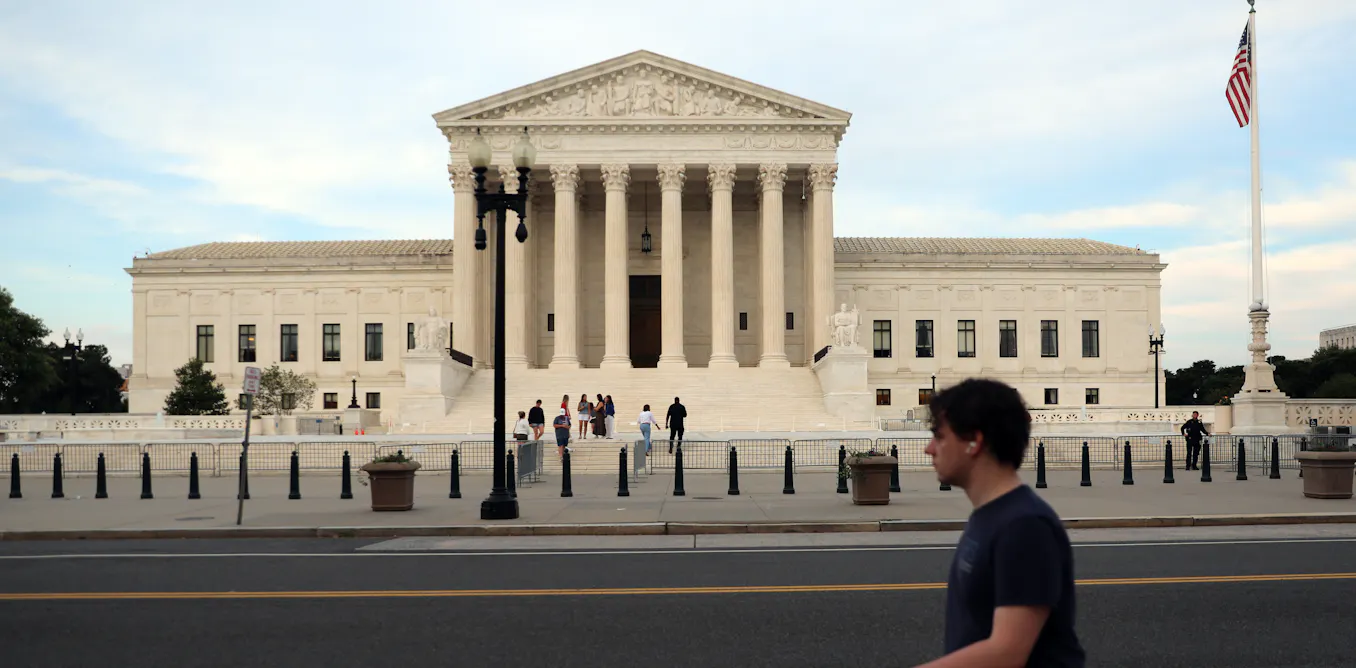
The Supreme Court has issued two landmark rulings that expand constitutional protections for gun owners and drug users alike, signaling a significant shift in how the justices interpret the scope of individual liberties.
In the first decision, the Court struck down restrictions on concealed carry licenses, ruling that Second Amendment protections extend broadly to individuals seeking to carry firearms outside the home. This ruling invalidates many state and local permitting schemes that previously required applicants to demonstrate a special need for self-defense. The decision reflects the conservative majority's textualist approach to the Constitution, prioritizing the plain language of the Second Amendment over decades of precedent allowing reasonable gun regulations.
The second ruling addresses Fourth Amendment protections, limiting law enforcement's ability to prosecute individuals for simple drug possession in certain circumstances. The Court sided with defendants challenging searches that yielded small quantities of controlled substances, finding that such prosecutions in particular contexts violated constitutional protections against unreasonable searches and seizures.
Together, these decisions reveal an ideological consistency within the conservative supermajority. Both rulings prioritize individual liberty claims against government restriction, though they serve opposing policy constituencies. Gun rights advocates celebrate the concealed carry expansion as overdue constitutional recognition. Criminal justice reform advocates welcome the drug possession ruling as a check on aggressive enforcement.
The decisions carry substantial governance implications. States and cities must revise their concealed carry permitting processes, potentially removing subjective discretion from officials who previously evaluated public safety concerns. Prosecutors face new constraints on charging decisions in drug cases, affecting plea negotiations and incarceration rates.
Critics argue the rulings expose judicial inconsistency. If the Court prioritizes deference to individual liberty, why does it uphold other restrictions on personal autonomy? Defenders counter that the decisions reflect a coherent constitutional philosophy centered on enumerated rights and limits on government power.
These rulings will reshape both gun policy and criminal justice enforcement across the country for