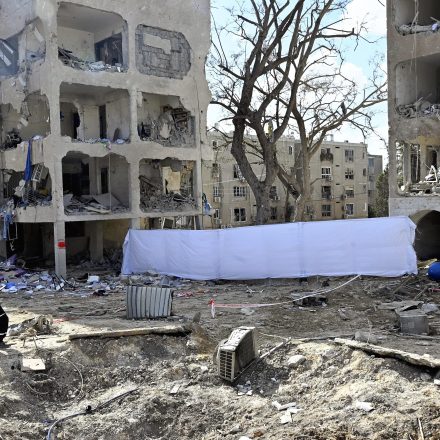
A ceasefire agreement between the Trump administration and Iran has collapsed, marking another breakdown in diplomatic efforts between the two adversaries. The failure reflects persistent tensions in U.S.-Iran relations and underscores the difficulty of sustaining agreements with Tehran.
The quoted criticism suggests this represents a repeated pattern of failed negotiations under Trump's approach to Iran policy. The comment indicates frustration with the cyclical nature of these diplomatic breakdowns, comparing them to losing the same conflict repeatedly.
Trump's Iran strategy has historically focused on confrontation rather than sustained diplomatic engagement. His previous withdrawal from the 2015 nuclear deal during his first term set a confrontational tone that has continued through subsequent administrations. The collapse of this latest ceasefire suggests that fundamental disagreements between Washington and Tehran remain unresolved.
The specifics of what triggered this ceasefire's failure remain central to understanding the breakdown. Typical flashpoints in U.S.-Iran relations include nuclear development, regional proxy activities, and sanctions enforcement. Both sides have accused each other of violations and bad faith negotiations in past arrangements.
This development complicates broader Middle East policy and regional stability efforts. A functioning ceasefire between the U.S. and Iran would theoretically reduce tensions affecting Iraq, Syria, Yemen, and other areas where both nations maintain influence or military presence. The collapse removes diplomatic pressure that might otherwise constrain escalatory actions.
The pattern of failed agreements raises questions about whether negotiated settlements remain viable between these two powers. Trump's approach emphasizes maximum pressure tactics and military deterrence over sustained dialogue. Iran's leadership has shown willingness to negotiate but often prioritizes national sovereignty and resistance to what it views as American imperialism.
For the incoming or current administration, this ceasefire collapse requires recalibration of Iran policy. Policymakers must decide whether to pursue additional diplomatic avenues, increase sanctions and military posturing, or maintain the current standoff