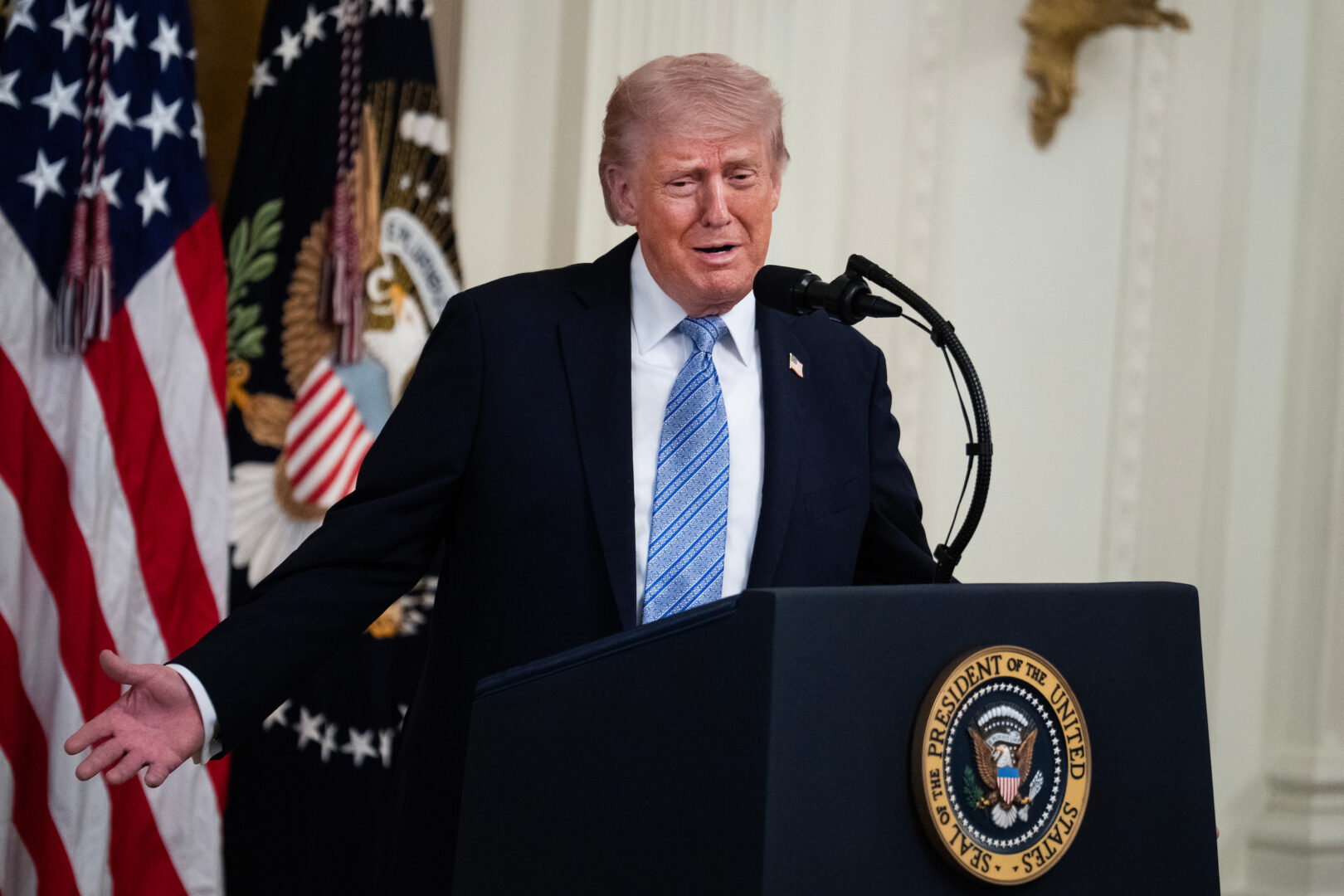
President Donald Trump fired the remaining members of the Election Assistance Commission on Thursday night, leaving the agency without any commissioners. Trump removed Chair Thomas Hicks and Commissioner Benjamin Hovland. Republican Commissioner Christy McCormick resigned the same evening.
The firings continue Trump's aggressive push to reshape federal election administration and voting procedures. The Election Assistance Commission, a bipartisan body established after the 2000 election to improve voting systems and election administration, now operates with zero active members.
Trump's move dismantles institutional checks on executive power over elections. The commission typically operates with four commissioners, split evenly between parties, requiring bipartisan agreement on major decisions. This structure protected against unilateral control of voting standards and election practices.
Hicks and Hovland served on the commission during Trump's first term and continued under the Biden administration. Their removal signals Trump's intent to consolidate authority over federal election infrastructure. The commission advises states on voting technology, provides election security grants, and certifies voting equipment.
The firings reflect Trump's broader election agenda. He has pressured states to adopt stricter voter ID requirements, limit mail-in voting, and tighten voter registration rules. Eliminating the commission's leadership removes institutional obstacles to these initiatives.
McCormick's resignation suggests internal tension over the direction of the agency. Her departure as a Republican commissioner indicates the firings faced no partisan resistance within the commission itself.
The agency's functions continue legally, but without commissioners, it cannot take official action, approve new certifications for voting equipment, or issue guidance to states. This creates a governance vacuum during a critical period for election administration.
Congressional Democrats likely will oppose the move, but Republicans control both chambers, limiting legislative recourse. The commission's structure requires Senate confirmation for new appointments, giving Trump control over replacements but potentially inviting confirmation fights.