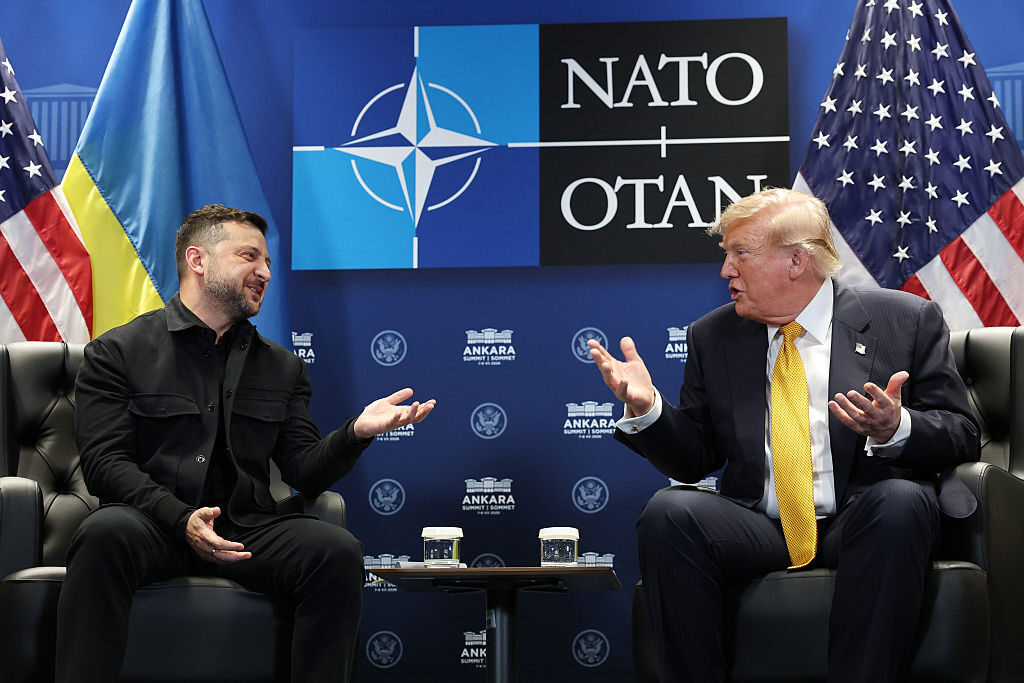
President Donald Trump offered few details about U.S. policy toward Iran during a NATO summit in Ankara, leaving lawmakers and European allies without the clarity they sought on the escalating conflict. At a Wednesday press conference, Trump deflected questions about the Iran standoff, declining to outline specific diplomatic or military strategies despite mounting tensions in the region.
The lack of transparency on Iran contrasts sharply with Trump's announcement of expanded military aid to Ukraine. The administration committed new resources to help Kyiv defend against Russian aggression, signaling a continued U.S. commitment to the conflict despite ongoing debates within Congress over sustained funding levels.
Trump's vague posture on Iran reflects the complexity of managing simultaneous international crises. The U.S. has maintained maximum pressure policies on Tehran while avoiding direct military escalation, but the president provided no roadmap for resolving the standoff during his European trip. European NATO members expressed frustration at the lack of coordinated strategy on Iran, particularly given their stakes in Middle Eastern stability and nuclear concerns.
The Ukraine aid announcement proved more concrete. Trump's decision to bolster military assistance addresses Democratic and Republican pressure to maintain support for Ukraine's defense against Russian forces. The commitment, however, came without detailed breakdowns of weapons systems or timelines, leaving some observers questioning the full scope of assistance.
The dual messaging underscores Trump's unpredictable foreign policy approach. While maintaining hawkish rhetoric on Iran, he demonstrated willingness to sustain Ukraine support, which many expected might be curtailed under his administration. NATO allies departed the summit with clarification on one front but continued uncertainty about U.S. intentions in the Middle East.
The Ukraine aid represents a policy continuity point in an otherwise shifting international landscape. Congressional Republicans and Democrats have generally supported Ukraine funding, and Trump's announcement aligns with this bipartisan consensus, even as disagreement persists over the appropriate aid levels and strategic end