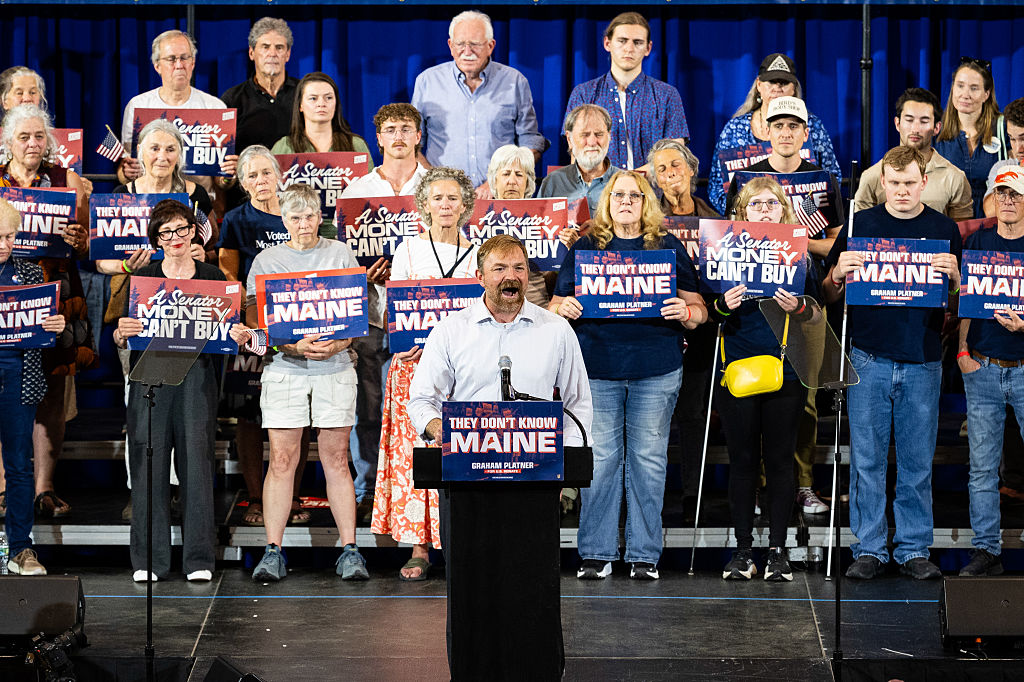
Graham Platner has forfeited his ability to represent Maine's left-wing voters, according to recent criticism from progressive outlets. The Maine state senator faces allegations that have prompted calls for his removal from office, even as observers stress that the progressive political agenda he championed should remain central to Democratic strategy in the state.
Platner's positions on economic justice, environmental protection, and social policy attracted substantial support from Maine's liberal base. His electoral success reflected genuine enthusiasm for left-leaning governance among voters. However, the personal misconduct allegations against him have created a crisis of legitimacy. Critics argue he can no longer credibly speak for or lead the movement that propelled him to office.
The tension between Platner's political brand and his personal conduct presents a challenge for Maine Democrats. Party leaders must navigate removing an incumbent while preserving the electoral coalition that brought him victory. Progressives who organized behind his candidacy now face the question of succession and how to maintain momentum without him.
The call for his replacement emphasizes that the dismissal of Platner need not mean abandonment of the policies he promoted. Maine's Democratic voters delivered a mandate for progressive governance on wages, climate action, and healthcare expansion. Those priorities transcend any single politician.
This situation reflects a broader pattern in American politics where personal scandals force parties to reckon with their public figures while managing the messaging around core ideologies. The outcome in Maine will signal how Democrats handle accountability for sitting lawmakers without losing ground on the issues that energized their base.
Democrats must execute a careful transition. They need a successor who shares the policy commitments that Maine voters endorsed, while offering untarnished moral authority to lead the legislative caucus. The replacement cannot simply maintain the seat but must rebuild trust in the office itself.