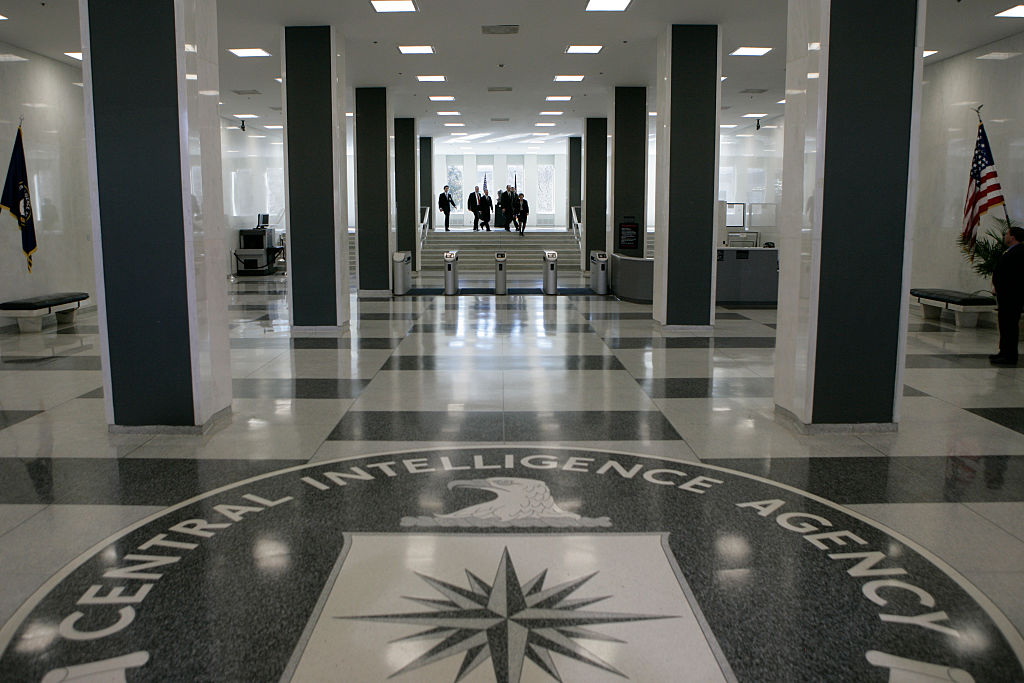
The Intercept raises concerns about former CIA officers holding elected positions, questioning whether their intelligence agency backgrounds create conflicts of interest or governance risks.
The article focuses on former intelligence operatives who have transitioned into Congress, specifically highlighting representatives with CIA backgrounds. The publication argues that CIA training emphasizes deception and concealment of intentions as core professional skills, creating tension with the transparency voters expect from elected officials.
The broader critique centers on the CIA's historical record. The Intercept contends the agency has "long existed to violently suppress the left," referencing decades of documented interventions in foreign countries and alleged domestic activities targeting leftist movements and activists. This history raises questions about whether former officers bring institutional priorities into legislative roles.
The piece examines whether former intelligence professionals can genuinely represent constituent interests when shaped by an organization with distinct institutional goals. It highlights potential loyalty conflicts between elected office obligations and intelligence community networks.
Recent congressional elections have seen multiple former CIA personnel enter office, a trend that merits scrutiny under campaign finance and influence frameworks. These candidates often tout national security credentials as electoral advantages, but the Intercept questions whether such backgrounds actually serve democratic governance.
The publication does not dispute individual competence but instead challenges the systemic implications. When intelligence agency veterans enter legislative bodies, they bring institutional perspectives and relationships that operate separately from electoral accountability mechanisms.
The argument reflects broader tension in American politics about intelligence community influence on policy. While some voters view ex-CIA officials as bringing expertise to national security matters, critics worry these candidates represent institutional rather than constituent interests.
The question of whether former intelligence officers should hold elected office remains contested. The Intercept's framing suggests voters deserve clear-eyed assessment of how intelligence community service shapes candidates' priorities and loyalties once they enter Congress.