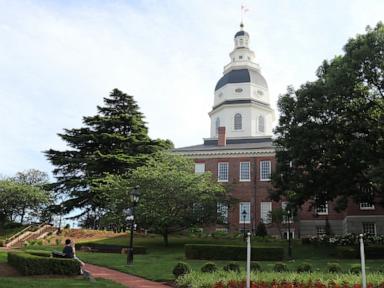
Maryland's legislature will convene in August for a special session focused on congressional redistricting reform, according to state lawmakers. The session centers on a constitutional amendment that would reshape how the state draws its congressional districts in the future.
The move comes as Maryland faces ongoing partisan disputes over district boundaries. The state has struggled with gerrymandering concerns, particularly after the 2020 census prompted new redistricting cycles nationwide. By pursuing a constitutional amendment, Maryland lawmakers aim to establish rules that govern the redistricting process before the next census in 2030.
Constitutional amendments in Maryland require legislative approval followed by voter ratification in a general election. This means any amendment passed in August would need support from Maryland voters before taking effect. The special session reflects broader national conversations about redistricting reform, with both parties claiming unfair treatment in various states.
Maryland has a Democratic supermajority in both chambers of the legislature. Republican legislators and voting rights advocates have criticized past Maryland redistricting as heavily partisan, pointing to congressional maps that favor Democratic candidates. Democrats counter that they simply follow legal requirements when drawing districts.
The August session represents an opportunity for lawmakers to address redistricting mechanics before the 2030 census cycle begins mapping congressional boundaries again. Whether the amendment focuses on establishing an independent commission, adjusting partisan bias standards, or implementing other procedural safeguards remains to be detailed as the session approaches.
The special session signals that Maryland's political leadership recognizes redistricting as a priority issue heading into the next decade of representation. Voters will ultimately decide whether the proposed constitutional changes merit adoption.