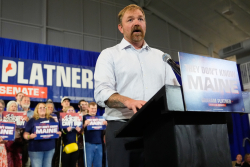
Graham Platner faces mounting pressure to withdraw from Maine's Senate race following what observers characterize as a serious campaign collapse. The Republican candidate's viability has deteriorated to the point that party insiders and political analysts now view his continued candidacy as damaging to GOP prospects in the state.
The nature of Platner's troubles remains multifaceted. Campaign missteps, organizational failures, and public controversies have combined to render him uncompetitive against both his Democratic opponent and fellow Republicans in a primary context. His polling numbers have cratered, and donor confidence has evaporated. Party operatives worry that Platner's weakened position could depress turnout among Republican voters or create an opening for Democratic gains in a race that should favor the GOP given current national political dynamics.
Maine's Senate seat represents contested terrain in 2024. The state leans Democratic in statewide contests, but the seat offers Republicans a genuine pickup opportunity under the right candidate conditions. Those conditions do not include Platner. His campaign dysfunction suggests an inability to execute basic organizational tasks, raise sufficient funds, or connect with voters effectively.
Republican leadership faces a calculation about whether to actively push Platner toward the exit or allow primary voters to render judgment through the ballot. Early intervention carries risks, as party pressure can trigger backlash from grassroots activists who resent establishment interference. Yet allowing an unviable candidate to consume resources and media oxygen wastes the finite attention span voters allocate to Senate races.
The broader lesson extends beyond Maine. Candidates require basic operational competence, message discipline, and fundraising capability to merit serious consideration in major races. When those fundamentals collapse early, recovery becomes nearly impossible. The political calendar works against comebacks. Once a candidate's brand deteriorates this severely, reconstruction requires months or years, not weeks.
Party strategists in both chambers have begun considering whether the race could be better served