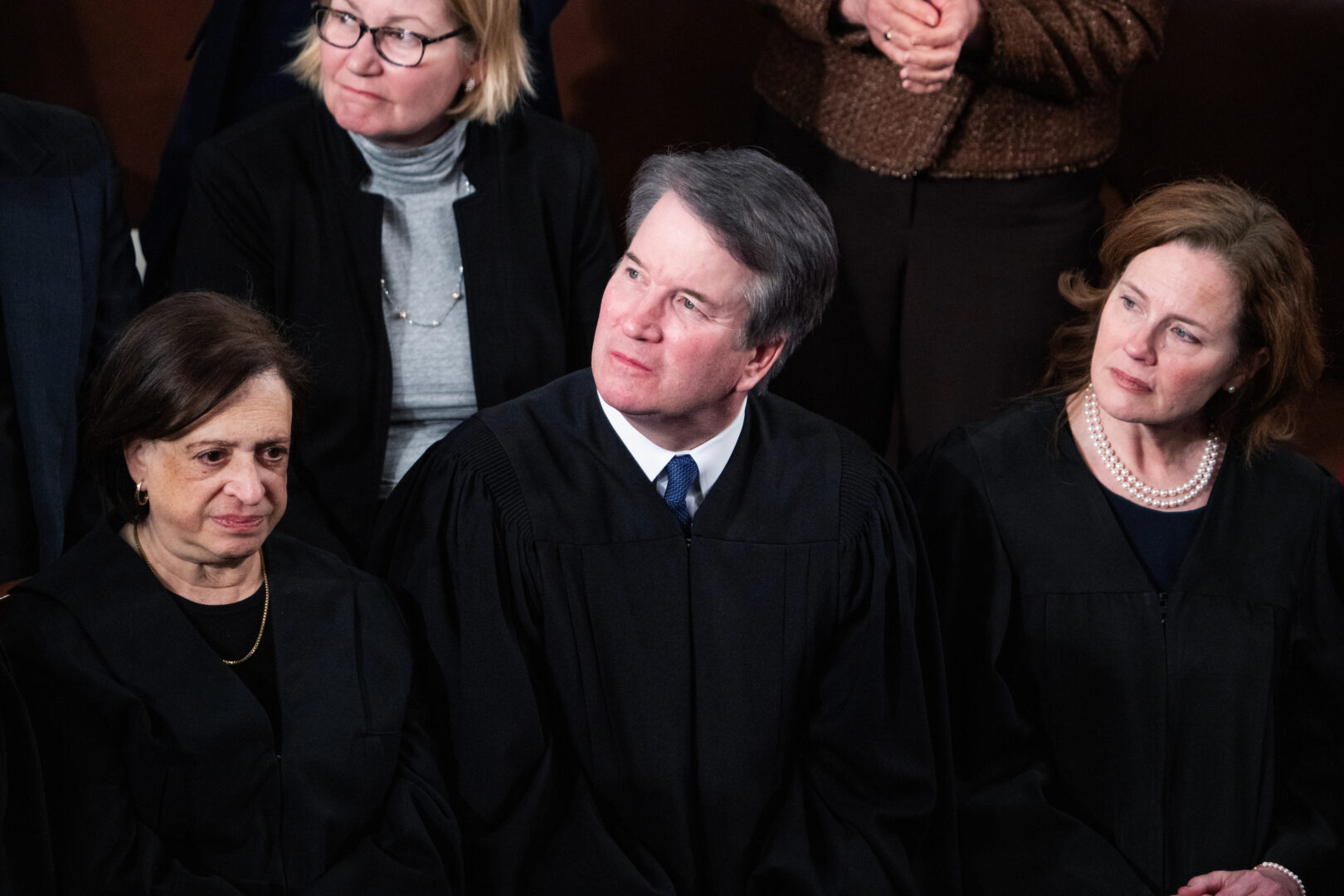
Supreme Court justices Amy Coney Barrett and Elena Kagan will testify before Congress next week in a rare Capitol Hill appearance that reflects mounting tension between the judicial and legislative branches.
The two justices are scheduled to appear before Senate and House appropriations subcommittees on July 14 to address the Court's budget and operations. This marks the first congressional testimony from justices since 2019, a five-year gap that underscores the unusual nature of the appearance.
The timing carries political weight. Recent Supreme Court decisions have sparked fierce backlash from Democrats and progressive lawmakers. The 2022 Dobbs decision overturning Roe v. Wade energized abortion restrictions across Republican-controlled states. Earlier this term, the Court's conservative majority struck down affirmative action programs in college admissions and limited the Environmental Protection Agency's regulatory authority, decisions that infuriated Democratic leadership.
Republicans have used their own grievances to challenge judicial independence, with conservative lawmakers accusing the Court of activism on hot-button issues. Calls for term limits and court expansion have gained traction among Democrats since the Dobbs ruling, putting justices under unusual political scrutiny.
Justice Barrett, a Trump appointee confirmed in 2020, and Justice Kagan, an Obama appointee, represent different ideological poles of the current Court. Their joint appearance suggests a unified front from the judiciary in the face of congressional pressure. The appropriations subcommittees control funding for federal courts, giving lawmakers leverage over the judicial branch's operations.
The justices face questions about the Court's ethics practices, security concerns following the leak of Dobbs draft opinions, and the institutional health of the judiciary. Congress has been considering ethics reforms and seeking answers about the Court's handling of classified documents and internal security breaches.
This testimony offers justices a chance to defend judicial independence and explain their decision-making process directly to