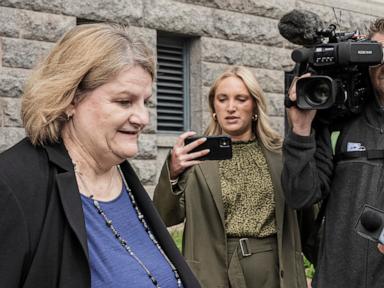
A former Wisconsin judge faces sentencing after conviction on felony obstruction charges related to helping a Mexican immigrant evade federal immigration officers.
The case centers on the judge's actions to obstruct an arrest during a federal immigration enforcement operation. Federal prosecutors charged the judge with using his position and authority to interfere with law enforcement duties, a serious breach of judicial ethics and federal law.
The conviction marks a rare instance of judicial accountability in immigration enforcement cases. Judges typically operate with significant discretion in their courtrooms, but federal law prohibits anyone, including judges, from knowingly obstructing the lawful actions of federal officers. The obstruction charge reflects prosecutors' determination that the judge crossed legal and ethical boundaries.
The sentencing hearing will determine the penalty, which could include prison time, fines, and disbarment from judicial practice. Federal judges typically consider factors including the defendant's prior record, the severity of the offense, and whether remorse was expressed when determining sentencing lengths.
This case touches on broader tensions between local officials and federal immigration enforcement. Some judges and local law enforcement officers have expressed concerns about Immigration and Customs Enforcement (ICE) operations, citing procedural fairness and community relations. However, the federal obstruction conviction signals courts will hold officials accountable when they actively interfere with enforcement actions rather than simply declining to cooperate.
The Wisconsin judge's conviction serves as a cautionary tale for other public officials considering direct intervention in federal enforcement operations. While critics argue federal immigration enforcement practices warrant scrutiny, the legal system distinguishes between criticism and active obstruction of lawful federal authority.
The sentencing outcome will likely influence how other local officials approach immigration enforcement collaboration and whether they risk criminal liability for interference.