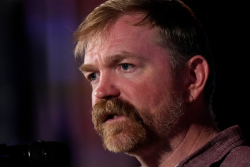
A Maine politician faces mounting pressure following serious accusations, with his public statements creating confusion about his intentions.
The official denies the accusation outright, yet simultaneously announced he would "take time to reflect on the best path forward." This contradiction signals internal debate about whether to fight the charge or step aside.
Political observers in Maine assess his survival odds as low. When a figure simultaneously protests innocence while entertaining an exit strategy, voters and party insiders read it as preparation for departure. The phrase "reflect on the best path forward" functions as political code for exploring resignation without committing to it immediately.
His party faces a calculation of its own. Keeping him in office risks further damage to the party brand if new revelations emerge. Pushing him out demonstrates swift accountability and controls the narrative. Most Maine Republicans and Democrats operate from the same playbook: distance quickly, cut losses, move forward.
The timing matters. Early statements of reflection followed by a quick exit look like decisive action. Prolonged resistance after denying guilt appears hypocritical and invites endless media scrutiny. The public reads delayed departures as self-preservation masking dishonesty.
Local media outlets report that allies have grown quiet. That silence speaks volumes. When a politician's own camp stops defending him publicly, the end nears. Legislative colleagues stop taking his calls. Donors redirect contributions. Party leadership stops mentioning his name.
The political math in Maine favors a swift outcome. The state leans moderate. Voters punish perceived evasion harder than they punish straightforward admissions of error followed by resignation. A lengthy standoff transforms a bad story into a prolonged scandal that damages everyone nearby.
His next move will reveal his true calculation. A statement recommitting to fighting the accusation signals he plans to stay. A resignation announcement suggests the private counsel he received made the path clear. That reflection period likely already happened behind closed doors.