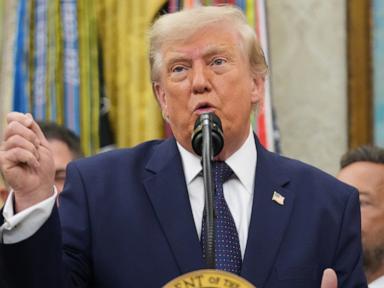
President Donald Trump claimed involvement in FIFA's review of a controversial red card issued to U.S. men's soccer team forward Sergiño Dest during World Cup play. Trump called the referee's decision "horrible" but stopped short of demanding a specific outcome from soccer's governing body.
Trump asserted he contacted FIFA officials about the call, framing his intervention as advocacy for fair treatment of American athletes. He credited his involvement with prompting the organization to examine the penalty more closely. However, Trump emphasized he left the final determination to FIFA, distancing himself from any appearance of improper pressure on the sport's international authority.
The red card incident occurred during a World Cup match involving the U.S. national team. The referee's call drew immediate criticism from Trump and others who viewed it as excessive or incorrect.
Trump's statements reflect his tendency to insert himself into sports controversies. His intervention in FIFA proceedings marks another instance of a sitting president publicly commenting on athletic discipline decisions. The balance Trump struck between claiming credit for the review and disclaiming direct influence on the outcome suggests an attempt to maintain both political positioning and plausible deniability.
FIFA's decision to review the call represents unusual action by the organization, which rarely revisits on-field decisions. The outcome of that review and whether it resulted in any reversal or modification remains central to assessing whether Trump's claimed influence held any actual weight with the international soccer body.
Trump's handling of the situation underscores how modern presidents operate across traditional boundaries between government and sports, using their platform to champion national interests while navigating the autonomy of independent sports governing bodies.