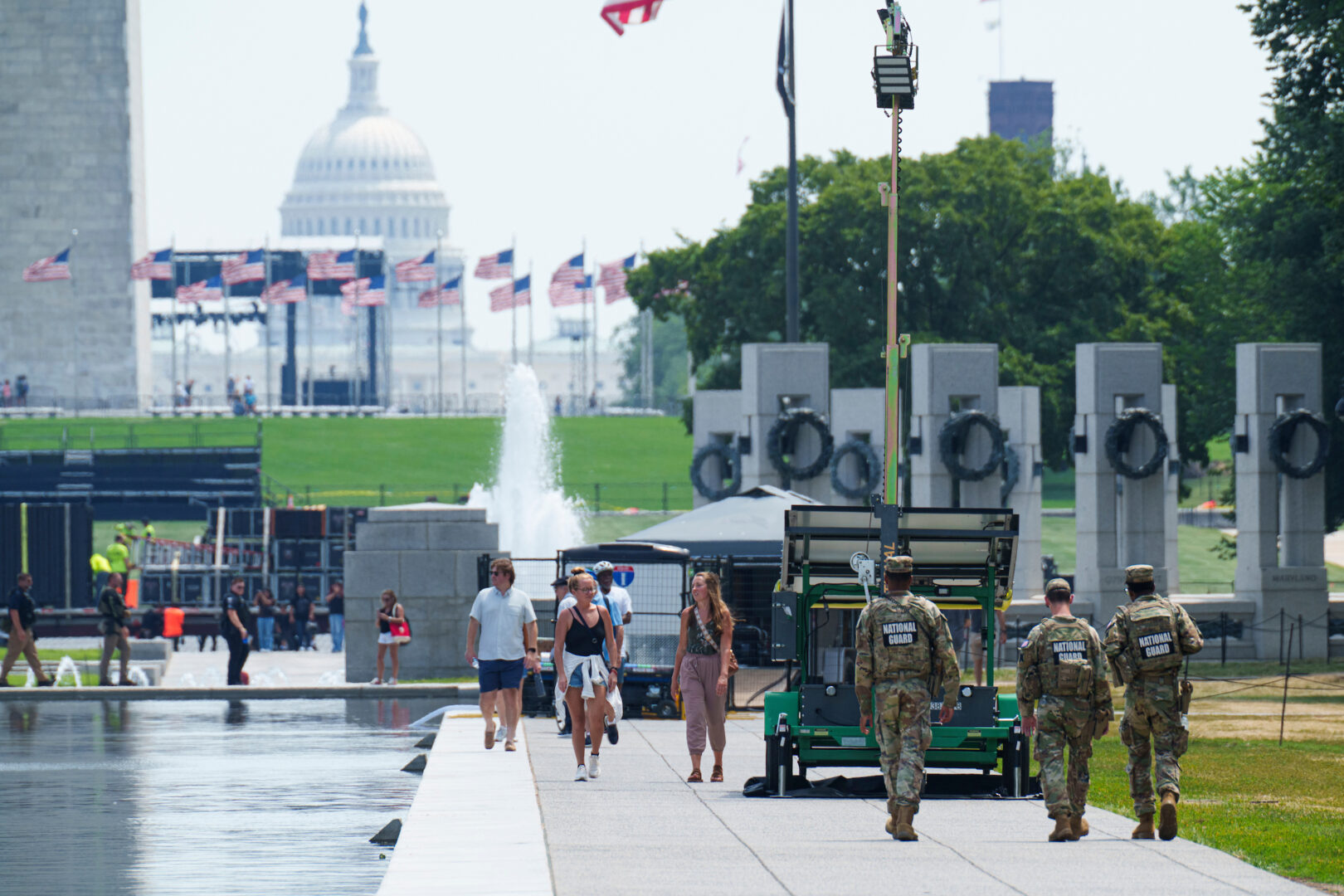
Congress returns Monday to face a legislative backlog that neither Republicans nor Democrats resolved before the July Fourth recess. The House and Senate abandoned their chambers at the end of June with multiple unresolved disputes hanging in the balance, creating pressure on both party leaderships to craft compromises during a traditionally quiet summer period.
The timing complicates negotiations. Summer recesses typically allow members to return home and campaign or conduct constituent work, leaving limited time for dealing with contentious floor fights. Yet the legislative calendar demands action on core governance issues that lawmakers punted rather than settled.
Speaker of the House leadership and Senate Democrats and Republicans each control different chambers, fragmenting authority and making unified action harder. The House Republican majority must navigate internal divisions on spending, while Senate Democrats hold their own caucus together on priorities the other chamber opposes.
Specifics on the pending disputes remain limited in available reporting, but historically summer standoffs in Congress involve budget negotiations, appropriations deadlines, and partisan disagreements over policy riders attached to must-pass legislation. Leadership in both chambers faces the familiar summer dilemma: craft deals that satisfy their own members while finding common ground across the aisle, or risk gridlock that pushes deadlines into fall.
The metaphor of a "heat dome" captures the political reality. External pressure mounts as recess ends and members return to Washington. Party leaders must deliver results for their rank-and-file while managing media scrutiny and constituent demands. Failure to move legislation risks accusations of incompetence heading into the fall campaign season.