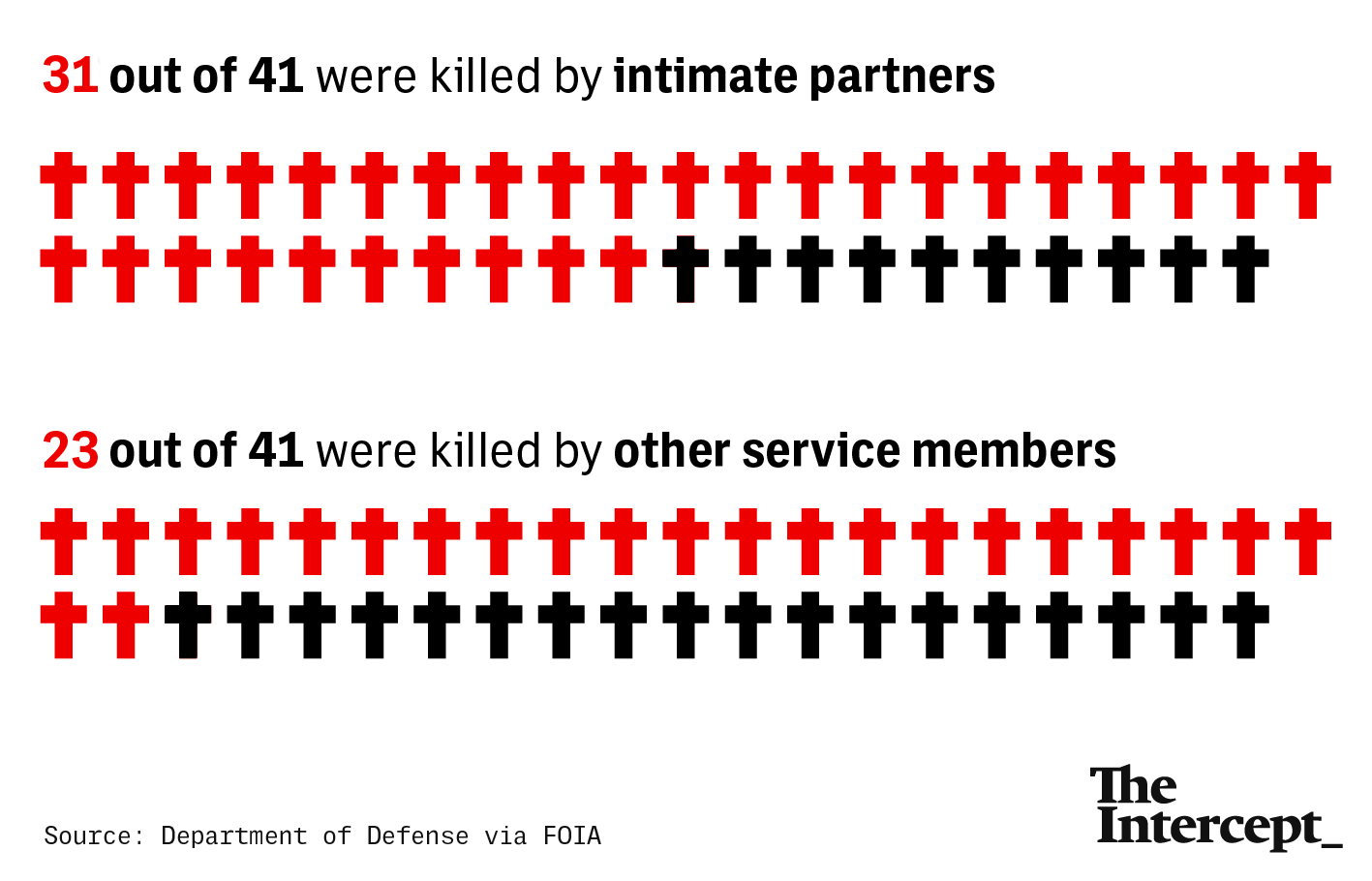
Female soldiers face a deadly crisis within military ranks. Homicides stemming from intimate partner violence kill women in the Army at rates at least three times higher than the national average, according to reporting from The Intercept.
The data reveals a systemic problem where women service members face greater danger from fellow soldiers than from combat operations. This pattern reflects broader military culture issues around sexual harassment, assault, and domestic violence that persist despite Pentagon reform efforts.
The Pentagon has implemented various initiatives to address sexual assault and harassment in recent years, including mandatory reporting requirements and specialized victim advocacy programs. However, the elevated homicide rates among female soldiers suggest these measures have failed to adequately protect women from intimate partner violence within military relationships.
Military leadership faces pressure to overhaul policies governing domestic violence investigations, victim protection, and command accountability. Service branches must expand screening for abusive relationships, strengthen housing protections for vulnerable personnel, and ensure swift removal of service members credibly accused of domestic violence.
The problem extends beyond individual cases. When intimate partner violence goes unaddressed or minimized within military units, it creates an environment where women soldiers cannot safely serve. Commanders who ignore warning signs or fail to report incidents bear responsibility for preventable deaths.
Congress has held hearings on military sexual assault and harassment, but the specific focus on intimate partner homicides has received less legislative attention. Lawmakers should demand comprehensive data on domestic violence incidents across all service branches and require military leadership to implement evidence-based interventions proven effective in civilian contexts.
Female military recruitment and retention depend partly on addressing this crisis. Women will continue leaving the armed forces if leadership fails to create safe working environments. The Pentagon must treat intimate partner violence with the seriousness it deserves rather than as an isolated personal matter affecting individual soldiers.