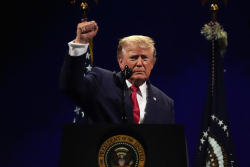
Donald Trump has pivoted to attacking Democrats as communists in his midterm campaign strategy, marking a shift in messaging as traditional attack lines lose traction. The former president frames the party as a radical threat to American capitalism and freedom, deploying Cold War rhetoric to mobilize his base ahead of the elections.
Trump's embrace of communist accusations reflects frustration among Republicans struggling with inflation concerns that dominate voter priorities. While economic messaging typically drives midterm contests, Trump's base responds more reliably to cultural and ideological threats. The communist label taps into decades-old conservative anxieties about left-wing governance, particularly as Democrats push policies on climate change, education, and social programs that Republicans characterize as government overreach.
The strategy carries risk. Moderates and suburban voters who fled Trump's orbit view such language as hyperbolic and divisive. Democrats counter that Republicans weaponize the accusation to avoid substantive debate on kitchen-table issues. The communist framing also distracts from Republican proposals on inflation remedies or economic management.
Trump's pivot suggests his initial midterm arsenal has weakened. Attacks on President Joe Biden's competence haven't gained sufficient purchase with voters. The Supreme Court's decision overturning Roe v. Wade energized Democratic voters, complicating predictions of a traditional red wave. Crime messaging, another Trump staple, faces skepticism when economic anxiety dominates.
The communist card represents Trump's attempt to reset campaign dynamics by activating cultural grievances. It energizes his most loyal supporters and pressures Republican candidates to adopt similar rhetoric. Yet the tactic underscores a broader challenge for Republicans in 2022: turning midterm elections into a referendum on incumbent performance rather than a choice between competing visions of American governance.
Whether Trump's ideological framing proves effective depends on whether economic conditions worsen before November or whether Democrats successfully shift focus to abortion rights and democracy itself