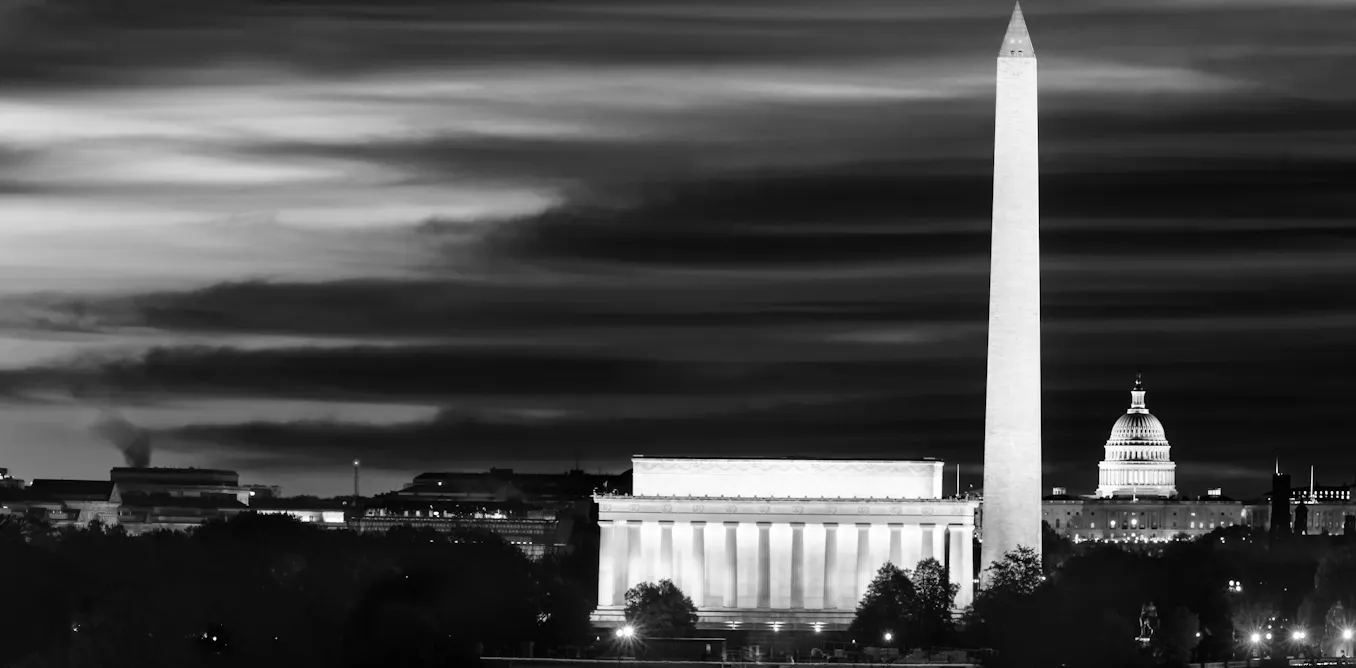
President Donald Trump's vision for redesigning Washington DC taps into a centuries-long debate about how the nation's capital should physically represent American ideals and presidential power.
The capital's appearance has never been merely aesthetic. From Pierre L'Enfant's original grid design in the 1790s to the monumental architecture of the early 20th century, each president and Congress has imposed its own architectural philosophy on the city. The layout of streets, the placement of buildings, and the styles of monuments all communicate political messages about democratic values, national strength, and civic order.
Trump's redesign plans continue this tradition of using physical space as a political statement. His vision follows patterns established by predecessors who sought to reshape DC to reflect their administrations' priorities and worldviews. Past presidents have added monuments, renovated federal buildings, and commissioned new structures to cement their legacy and shape how citizens and visitors perceive American government.
The current redesign debate reflects broader tensions within American politics. Progressives and traditionalists disagree on what DC's physical character should communicate. Should the capital emphasize classical grandeur and institutional permanence, or embrace modernist innovation and accessibility? Should monuments celebrate a curated national narrative, or acknowledge the full complexity of American history?
Trump's approach emphasizes classical architecture and nationalist symbolism, mirroring his broader political messaging about restoring American greatness and presidential authority. This contrasts with recent efforts to expand whose stories DC monuments tell and to interrogate whose vision of national identity gets enshrined in marble and stone.
These debates carry real consequences for how Americans experience their government and what the physical capital conveys about democratic values. They determine which historical figures receive monumental honor, which architectural styles dominate federal spaces, and whether the city functions primarily as a monument to power or as a working capital for ordinary governance.
Washington DC's transformation remains an ongoing negotiation between competing visions of what America