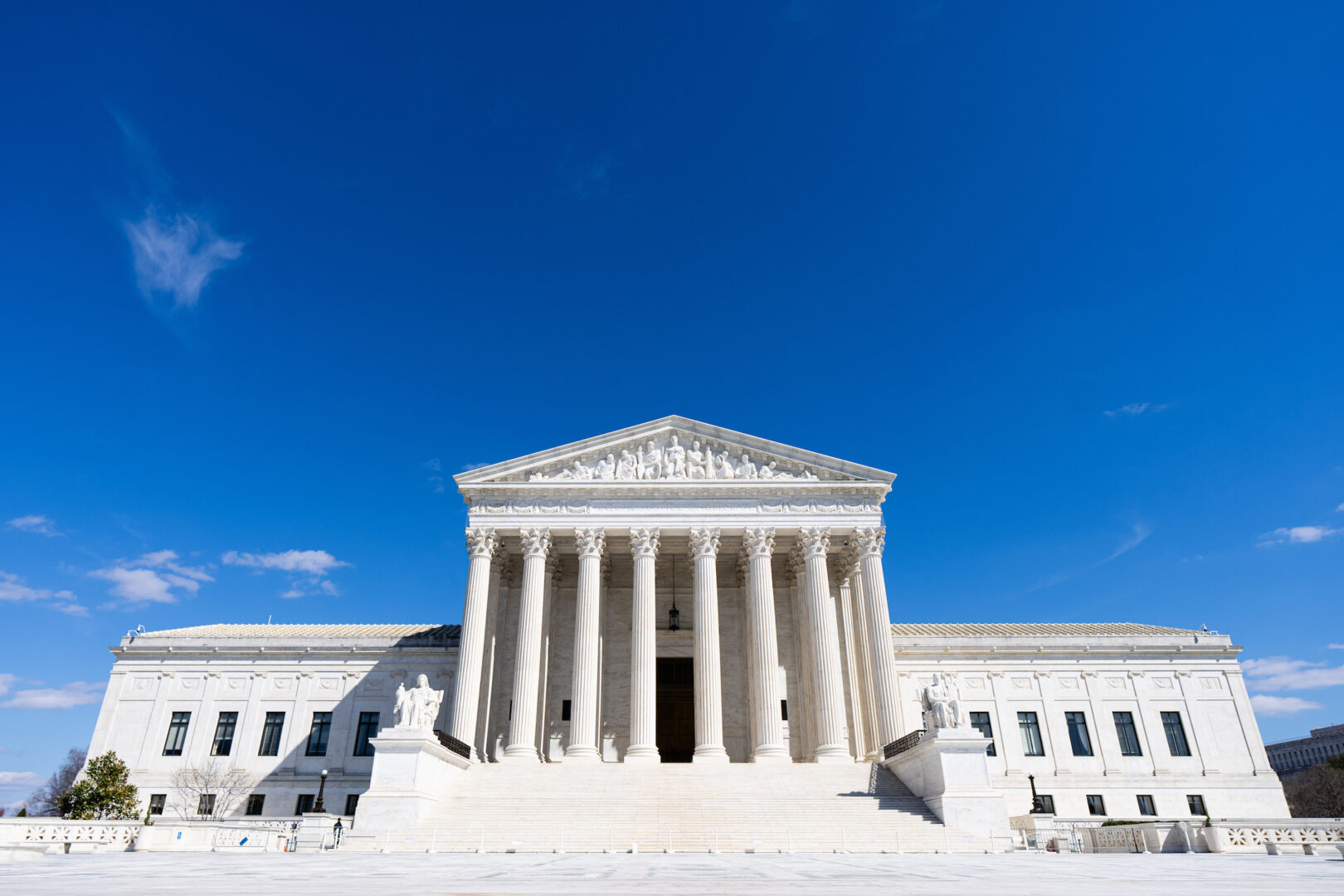
Congress faces growing bipartisan frustration with the Supreme Court following a term marked by decisions that angered both parties. Conservatives expressed anger over the Court's rejection of President Donald Trump's effort to restrict birthright citizenship. Democrats condemned the Court's ruling that allowed Trump to remain on ballots despite January 6 involvement and its decision to uphold a restrictive abortion law.
Legal experts note the Court has consolidated considerably more power for itself during this term, moving beyond its traditional role as an interpreter of law. The decisions reveal a Court operating with expanded authority to shape policy outcomes that rival the legislative branch.
The bipartisan frustration reflects a rare moment of congressional consensus on institutional grievance. Republicans and Democrats disagree on which rulings offended them, but both parties recognize the Court's expanded reach into matters typically reserved for elected representatives. This shared annoyance creates potential opening for legislative responses, though the parties diverge sharply on solutions.
House and Senate members have discussed various accountability measures, from restructuring confirmation processes to altering the Court's jurisdiction. Some lawmakers advocate adding seats to the bench. Others propose term limits for justices. Republicans favor mechanisms that would constrain progressive judicial overreach. Democrats seek checks on what they view as the current conservative majority's activism.
The gridlock persists because Congress itself remains divided along partisan lines. Democrats control the Senate but lack the votes to reshape the Court unilaterally. Republicans blocked previous Democratic Court-expansion efforts and resist term-limit proposals they view as retaliation for Trump's three appointees. Neither party commands sufficient majorities to implement sweeping institutional reforms.
This moment reveals structural vulnerability in the judiciary's legitimacy. When both parties perceive the Court as hostile to their core interests within a single term, public confidence erodes. Congress recognizes the problem but remains unable to forge durable solutions that command broad support.