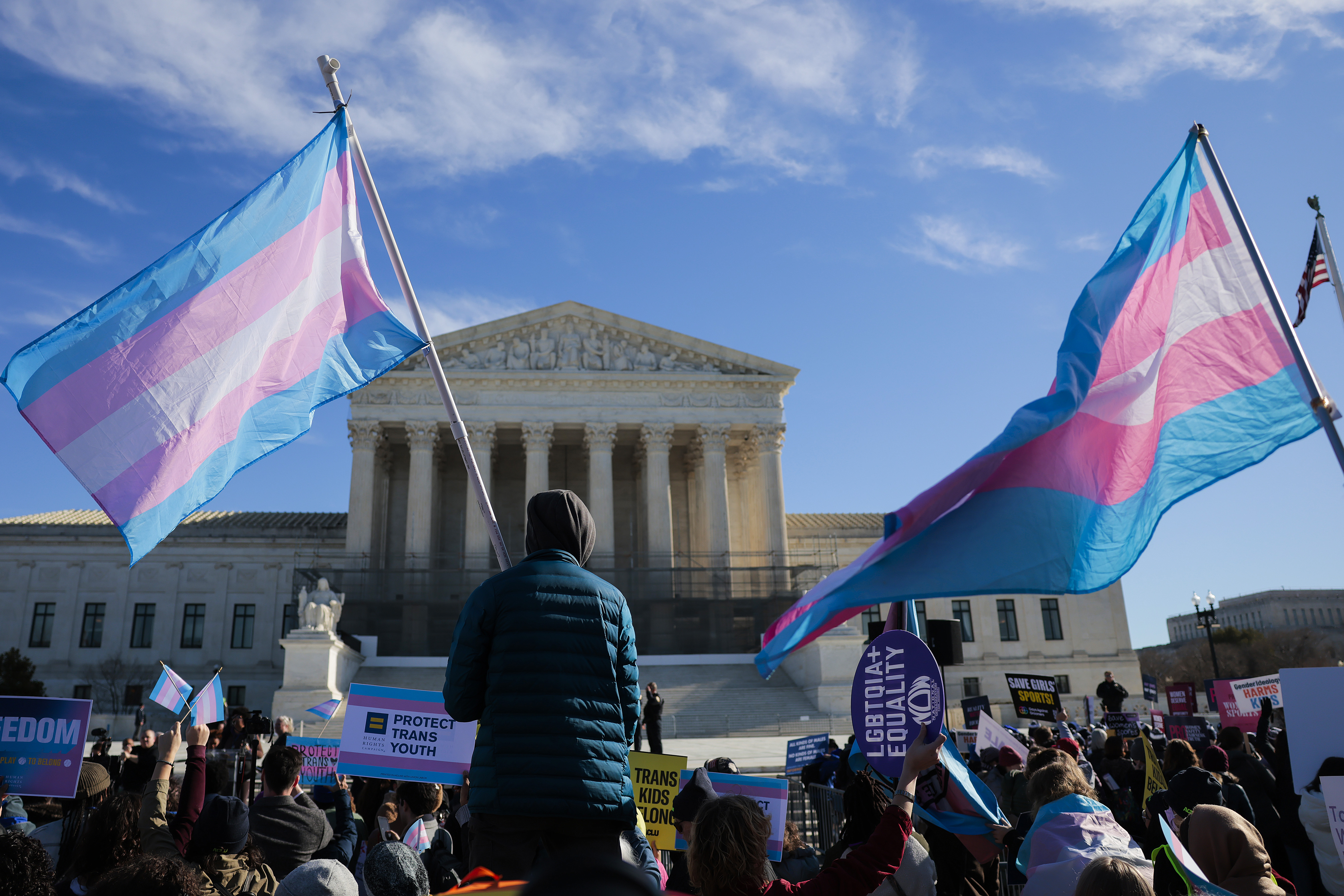
The Supreme Court's liberal justices conceded legal ground on transgender rights in a recent decision involving athletic participation, according to analysis from The Intercept. The ruling represents a strategic victory for opponents of trans protections who deliberately targeted girls' sports as an accessible policy battleground.
Legal observers note that even justices skeptical of restrictions on transgender individuals failed to mount a complete defense of trans civil rights in the athletics context. The decision reflects a broader pattern where conservative legal strategies have focused on sports policies as an entry point to challenge wider protections for transgender people.
The sports angle provided opponents with framing advantages. Girls' athletics cases allowed challengers to pivot debates away from healthcare access or employment discrimination toward questions about fairness and physical competition, terrain where public opinion tilts more conservative. By winning on sports, activists opposed to trans rights gain momentum and precedent that extends beyond athletic contexts.
The liberal justices' response fell short of establishing comprehensive protections for transgender individuals, according to The Intercept's reading. Rather than drawing a firm constitutional line, the court's progressive wing appears to have accepted compromise positions that limit the scope of anti-discrimination principles.
This dynamic reflects a broader judicial reality. Conservative legal movements have successfully used incremental cases to reshape doctrine step by step. Each concession by liberal justices narrows the available ground for future defenses of trans rights protections.
The implications extend well beyond sports policy. Courts increasingly treat transgender status differently from other protected categories, creating an opening for legislators to restrict trans people's access to healthcare, employment, and public accommodations through targeted statutes and regulations. Once sports policies survive judicial review, the rationale becomes available for other restrictions.
Legal advocates for transgender rights now face a steeper climb. The Supreme Court's decision signals that even justices sympathetic to trans concerns will accept limitations on their protections when cases center on emotionally charged disputes over fairness in competition. This creates a template