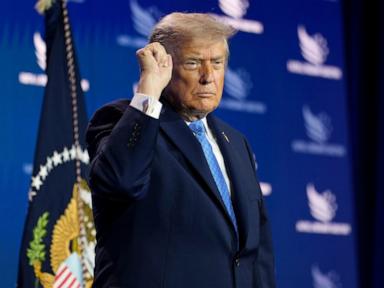
President Donald Trump has pursued multiple strategies to reshape voting rules and election administration, with outcomes that reflect the fragmented nature of American electoral power. His administration signed executive orders targeting voter registration procedures and election security protocols while simultaneously lobbying Republican-controlled Congress members to advance restrictive voting legislation at the federal level.
The executive orders touched on voter registration databases and election integrity measures that Trump framed as necessary safeguards against fraud. However, these directives faced legal challenges in federal courts, where judges blocked or limited their implementation on constitutional grounds. State election officials, both Republican and Democratic, resisted some measures that conflicted with their own authority over elections.
In Congress, Trump pressed Republican leaders to support federal voting restrictions, including voter ID requirements and reduced early voting periods. The GOP-controlled House passed several bills reflecting these priorities, but Senate passage proved elusive. Democratic senators used filibuster tools to block legislation, preventing the supermajority needed for passage.
Trump's efforts also extended to staffing changes at election agencies and the Justice Department, installing loyalists committed to his voting agenda. These moves generated internal resistance from career officials who questioned the legality and propriety of election-focused directives.
State-level outcomes varied considerably. Republican-controlled legislatures in several states passed their own voting restrictions aligned with Trump's agenda, while Democratic-led states moved in the opposite direction, expanding mail voting and registration access. This created a patchwork system reflecting state political control rather than unified national policy.
The mixed results reveal structural limits on executive power over elections. The Constitution vests considerable election authority in states, courts retain power to block federal overreach, and Congress gridlock prevents sweeping legislative changes. Trump's attempt to centralize voting control collided with federalism constraints and judicial review, producing partial victories at best.