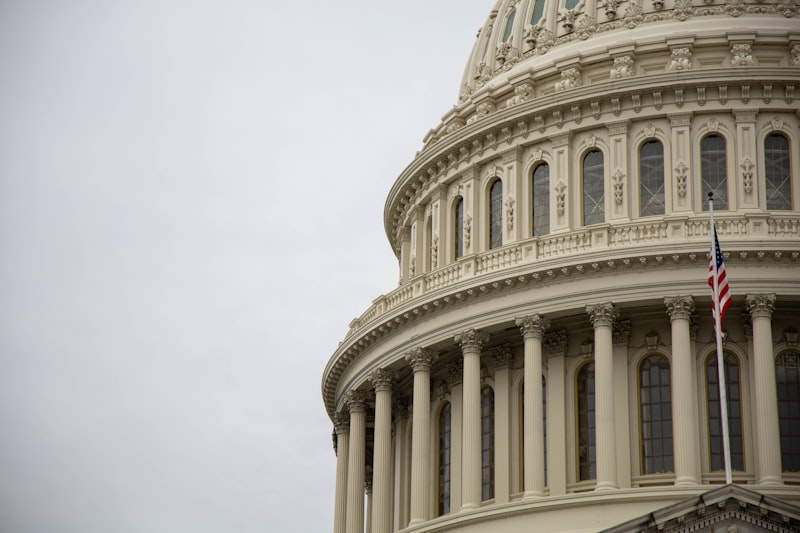
The Second Continental Congress produced the Declaration of Independence 250 years ago this summer, establishing principles of representative government and individual liberty that became foundational to American democracy. Today's Congress operates under a radically different structure than the one that met in Philadelphia in 1776, yet the question of whether modern lawmakers honor those founding ideals remains contested.
The original Congress brought together delegates from thirteen colonies to forge a common cause against British rule. Those delegates debated fiercely, compromised repeatedly, and ultimately created a document asserting that governments derive their power from the consent of the governed. The Declaration's emphasis on representation, accountability, and the protection of unalienable rights shaped the institutional framework that followed.
Modern Congress faces scrutiny on multiple fronts. Partisan polarization has intensified dramatically since the founding era, with Republicans and Democrats locked in escalating conflicts that often prevent basic legislative function. Voter participation varies widely across districts and states, raising questions about whether representation truly reflects popular will. Campaign finance systems allow wealthy donors and corporate interests to wield outsized influence, potentially undermining the democratic principle that each citizen holds equal weight in governance.
Yet defenders of current institutions argue that Congress continues performing its core function of representation, albeit imperfectly. The chamber still debates competing visions of governance. Constituent services offices field thousands of requests from citizens. Congressional oversight, when exercised, acts as a check on executive power.
The 250-year comparison invites uncomfortable reflection. The founders' insistence on representation and public accountability remains relevant. But whether Congress adequately serves those principles depends largely on one's assessment of how well the institution responds to constituents, how fairly elections proceed, and whether lawmakers prioritize the common good over partisan advantage.