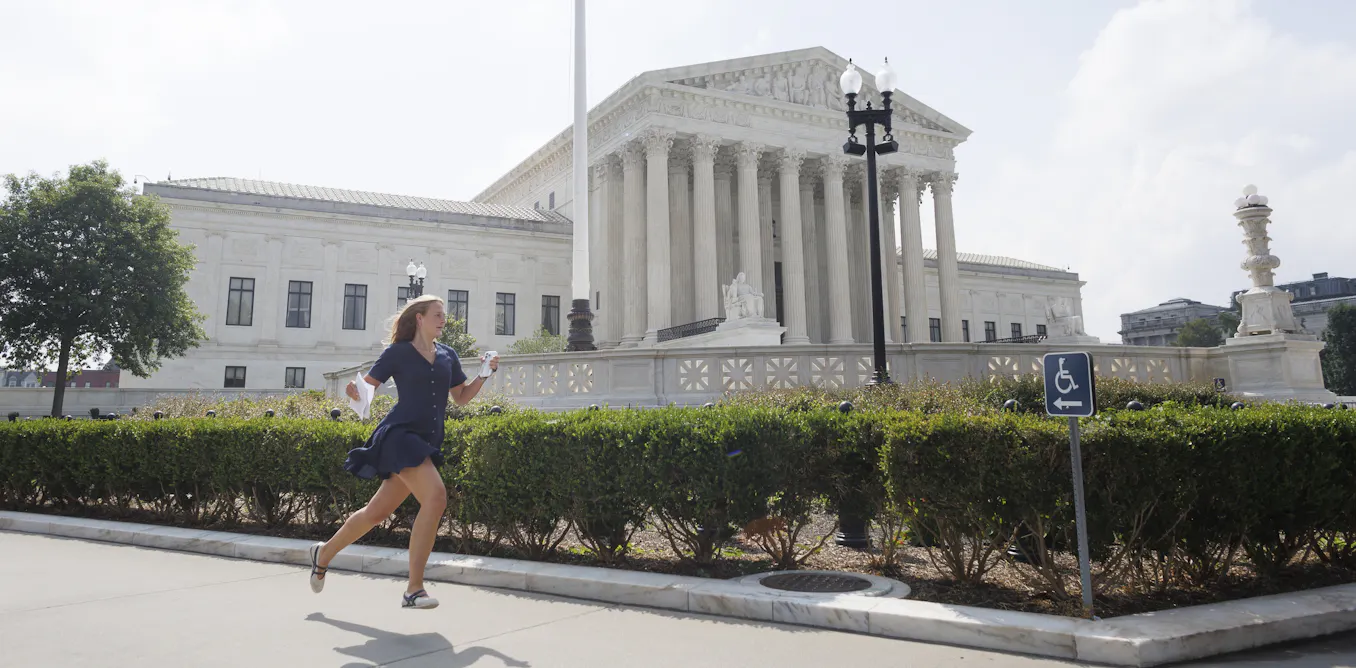
The Supreme Court has endorsed the unitary executive theory in Trump v. Slaughter, dramatically expanding presidential authority over the federal government. This ruling strips away decades of constraints on executive power and shifts the balance of governmental authority decisively toward the White House.
The unitary executive theory holds that the president possesses near-total control over all executive branch agencies and their officials. Under this framework, Congress cannot create independent agencies or officers who operate beyond direct presidential command. The Court's decision validates this interpretation and removes statutory protections that previously insulated certain officials from presidential removal.
This ruling dismantles structural safeguards built into administrative law since the New Deal. Presidents can now dismiss inspectors general, directors of independent agencies, and other officials without cause. They gain sweeping authority to redirect agency policy, override career officials, and reshape regulatory enforcement across the government.
The practical implications span immigration, environmental protection, labor standards, and healthcare. A president hostile to environmental regulation can replace EPA leadership instantly. A president seeking to reshape labor policy can remove NLRB members without legislative approval. These officials no longer answer primarily to Congress or statutory mandates. They answer to the president.
Critics argue the ruling concentrates dangerous power in the executive branch and undermines constitutional separation of powers. Congress designed independent agencies specifically to prevent political whiplash and protect technical expertise from partisan cycles. The decision eviscerates that framework.
Conservative justices framed the ruling as restoring proper constitutional structure. They contend the president's removal power flows naturally from Article II's vesting of executive authority. Lower court decisions that restricted presidential removal power violated constitutional text, they argued.
The decision will reshape governance across administrations. Future presidents, regardless of party, inherit vastly expanded unilateral authority. Democratic presidents gain the same removal powers as Republican ones. This symmetry offers little comfort to those who fear concentrated executive power poses dangers to democratic governance and individual rights.