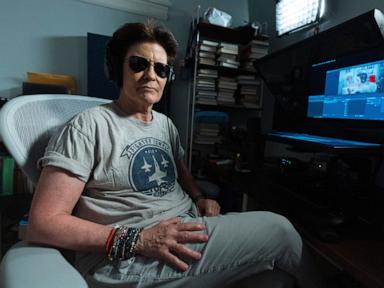
Kara Swisher, the veteran tech journalist and podcaster, is leveraging her long-standing relationships with Silicon Valley executives to expand her political influence ahead of the 2028 presidential campaign.
Swisher built her reputation over three decades covering the technology industry, developing deep connections with founders, venture capitalists, and tech leaders. She hosted influential podcasts including "Semafor Flagship" and maintained a prominent voice through her newsletter and media appearances. Those relationships position her as a bridge between tech money and Democratic politics.
Her pivot toward campaign influence reflects broader patterns in American politics. Tech executives have become major political donors and policy advisors, particularly within Democratic circles. Swisher's access to this ecosystem gives her considerable leverage in shaping conversations around regulation, antitrust enforcement, and artificial intelligence policy.
The move carries both opportunity and controversy. Swisher's credibility as a journalist rests on independent analysis of tech companies. Direct involvement in campaign politics risks blurring those lines and potentially compromising her reporting authority. Some observers question whether a journalist can maintain editorial independence while simultaneously serving as a political operative or strategist.
Her expanded role also signals how candidates and campaigns view media figures. Rather than simply securing coverage, campaigns increasingly cultivate relationships with influential journalists and commentators who can mobilize networks of donors and shape elite opinion.
The 2028 race remains wide open, with multiple Democrats potentially competing for the nomination. Swisher's willingness to engage early suggests tech industry priorities will command significant attention in the campaign. Issues including AI regulation, antitrust action against Big Tech, and tax policy affecting venture capital likely will feature prominently.
For Swisher personally, this represents a deliberate choice to step beyond journalism into explicit political activism. How she manages that transition while maintaining credibility with both tech executives and political audiences will test whether those two worlds can genuinely coexist or whether she must