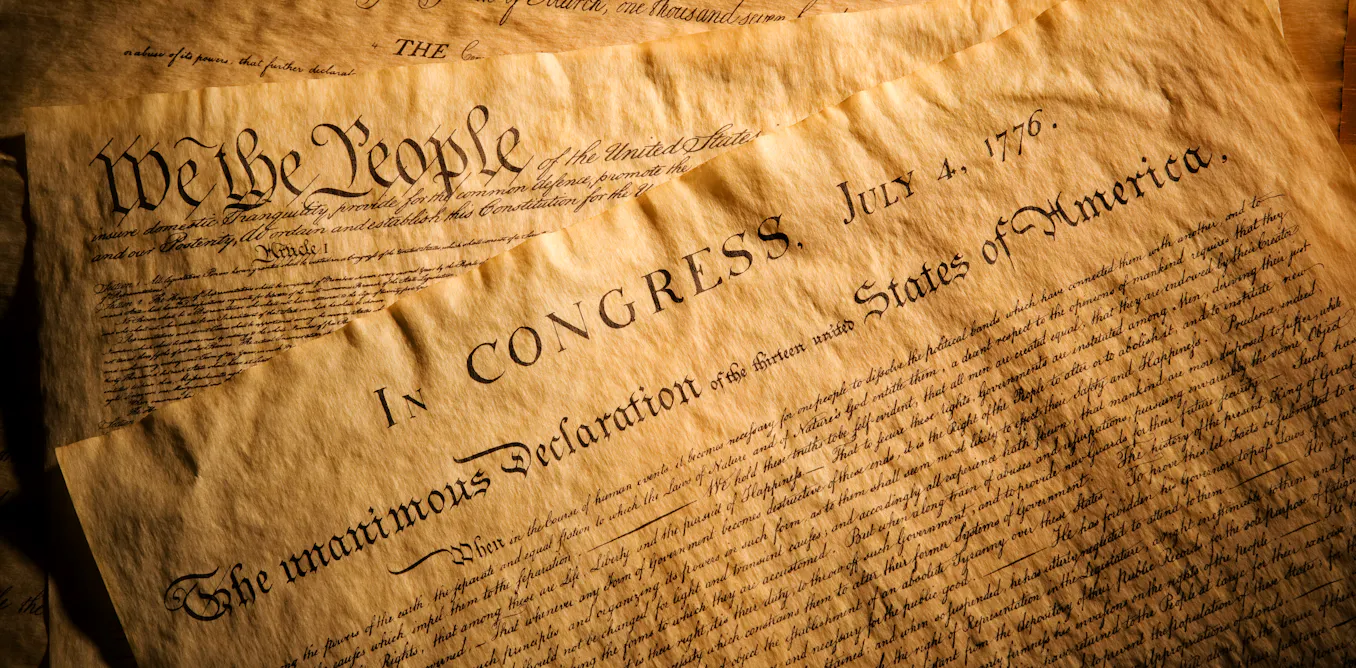
Colonial grievances against King George III outlined in the Declaration of Independence speak directly to modern American political debates about judicial independence, executive power, and governmental accountability.
The Declaration's complaints centered on a monarch who appointed judges "dependent on his will alone" for tenure and compensation. Today, debates over lifetime judicial appointments and Supreme Court legitimacy echo this founding concern. When Americans question whether courts serve the people or partisan interests, they invoke a 250-year-old tension about judicial impartiality.
The colonists protested arbitrary executive power unchecked by legislatures. Modern disputes over presidential authority during emergencies, executive orders, and the scope of executive privilege directly parallel these grievances. Both periods feature fundamental disagreement about whether executives operate within proper constitutional bounds or exceed their mandate.
The Declaration condemned officials "protected from punishment" for wrongdoing by their position. This grievance resurfaces whenever Americans debate presidential immunity, congressional ethics enforcement, or whether leaders face equal justice. The colonists demanded accountability; contemporary movements for term limits, recall provisions, and stronger oversight mechanisms voice the same demand.
The document also criticized the Crown for obstructing fair trials and maintaining standing armies without consent. Today's debates over civil liberties during national security operations and military spending involve comparable tensions between security and accountability.
These parallels don't suggest identical circumstances. The colonists faced absolute monarchy; modern Americans debate within a constitutional republic with separation of powers and regular elections. But the underlying principles remain contested. What counts as arbitrary power? When does judicial independence become unaccountability? How should legislatures check executive authority?
The Declaration's enduring relevance lies not in its specific accusations but in the structural tensions it identifies. A judiciary divorced from popular accountability, an executive wielding power beyond legislative reach, officials insulated from consequences. These institutional problems troubled the founders and trouble Americans today. Understanding their 18th-century complaints clarifies what modern citizens find threatening about